
Imagine stepping into your living room and feeling a perfect breeze the moment you walk in, even when the desert sun is blazing outside. That’s the kind of comfort Gilbert homeowners get when they skip the DIY gamble and call in a pro.
Local installers know the quirks of our heat‑soaked summers and the sudden monsoon chills, so they size, place, and tune every unit to work like a well‑oiled machine. A professional job means fewer breakdowns, lower bills, and a system that actually lasts.
Curious about the three game‑changing reasons your neighbors swear by pro HVAC installation? Keep reading and you’ll see why it’s the smartest move you can make for your home.

Understanding Gilbert’s Climate: Why It Demands Expert HVAC Installation
Gilbert basks in scorching summer days that regularly top 110°F, then flips to a sudden monsoon chill that can drop the thermostat by 20 degrees in an hour. Those temperature roller‑coasters aren’t just uncomfortable—they force any heating‑and‑cooling system to work overtime, and only a properly engineered unit can keep up without breaking down.
When a local pro does the math, they factor in the desert’s low humidity, the high solar gain from the many roof‑exposed homes, and the occasional rain‑driven humidity spikes. Ignoring any of those variables means you’ll end up with a unit that’s either too small to cool the house or oversized and wasteful, leading to sky‑high electric bills.
Key Climate Drivers in Gilbert
- Intense solar load – Sun‑baked walls act like giant radiators.
- Rapid temperature swings – From desert heat to monsoon cool in minutes.
- Low humidity in summer, high humidity in storm season – demands flexible airflow.
- High altitude dry air – affects how quickly a system can reach set points.
Precise Load Calculations & Proper Sizing: The Foundation of System Efficiency
Why Size Matters
When a unit is too small, it runs nonstop trying to catch up, and your electric bill spikes. Oversized equipment blasts the house, then shuts off, leaving hot spots and wasted energy. The sweet spot? A system that hits the target the first time.
What the Pros Measure
Certified installers run a Manual J calculation – a science‑based audit that accounts for every variable. They look at:
- Square footage and ceiling height
- Window orientation and shading
- Insulation levels and air leakage
- Local climate data for Gilbert’s scorching summers and monsoon chills
These numbers feed a precise BTU rating, so the unit is neither a hamster on a wheel nor a clumsy giant.
The Cost of Guesswork
DIY sizing often relies on rule‑of‑thumb charts that ignore your home’s quirks. The result? Frequent repairs, short lifespan, and uncomfortable rooms. A properly sized system pays for itself in lower utility bills and fewer service calls – a win you’ll feel every season.
Professional Placement & Ductwork Design: Maximizing Comfort and Airflow
Where the Unit Lives
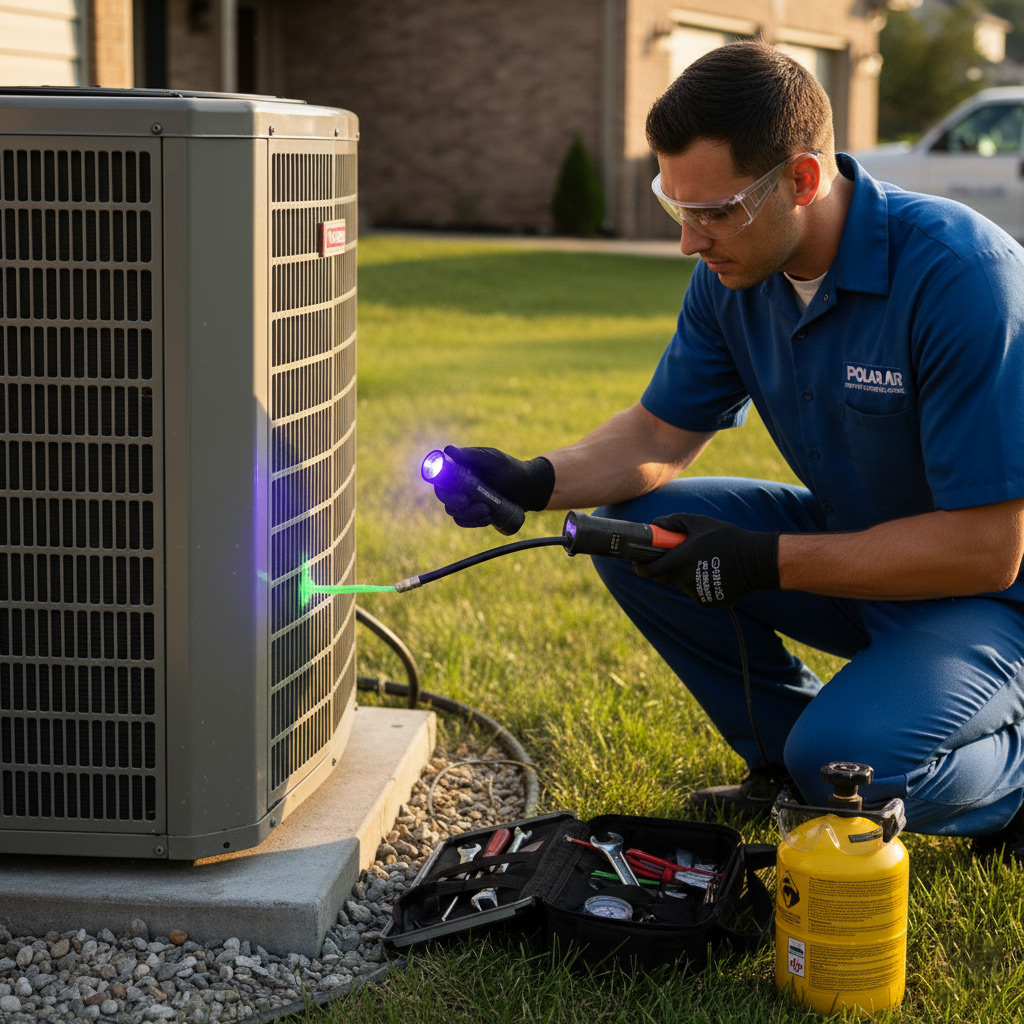
Putting the furnace or heat pump in the right spot is more than a convenience—it’s the difference between a whisper‑quiet home and a noisy nightmare. Pro installers scout for level ground, proper clearance, and easy access for future service.
They also avoid common traps that DIYers miss:
- Near kitchen exhausts that pull hot air into the system.
- Direct sunlight on the outdoor condenser, which forces the unit to work harder.
- Cramped closets that restrict airflow and cause premature wear.
Designing Ductwork That Breathes
A well‑designed duct network is the hidden hero of every comfortable Gilbert home. It’s not just about length; it’s about shape, insulation, and airtight connections.
Pros use these rules of thumb:
- Keep runs as short and straight as possible.
- Seal every joint with mastic, not cheap foil tape.
- Insulate ducts that travel through unconditioned spaces to stop heat loss.
Balancing Airflow for Every Room
Even the best unit can’t fix a poorly balanced system. Certified techs adjust dampers, add registers, and sometimes install zoning controls so the bedroom stays cool while the kitchen stays warm.
Result? Consistent temperature, lower utility bills, and a home that feels right the moment you step through the front door.
Warranty Protection & Long‑Term Savings: How Pro Installations Guard Your Investment
Manufacturer warranties love a clean install
When a certified tech finishes the job, the paperwork isn’t just a formality. Manufacturers will actually honor their warranties because they know the unit was set up right the first time. A DIY slip‑up—like a loose connection or an oversized line—can void that coverage, leaving you to foot the repair bill.
Extended service plans work best on pro‑installed systems
Many local HVAC companies offer a service agreement that kicks in only after a professional install. These plans cover routine tune‑ups, filter changes, and emergency calls. The result? Predictable costs and fewer surprise breakdowns.
- Reduced energy bills – a properly sized unit runs cooler on less power.
- Fewer emergency calls – a well‑balanced system doesn’t overheat.
- Longer lifespan – components wear evenly when everything is aligned.
Hidden savings you won’t see on the invoice
Think of the install as an investment that pays you back. A pro will seal ducts, balance refrigerant, and calibrate thermostats. That means you’ll see lower monthly utility numbers and avoid costly retrofits down the road.

Common DIY Pitfalls and Hidden Costs Homeowners Should Avoid
Skipping the Load Calculation
Most DIYers grab the first unit they see and hope it fits. That gamble rarely pays off. An undersized system will run nonstop, while an oversized one cycles on and off, both driving up your electric bill.
- Incorrect sizing can shave 15‑30% off your comfort.
- It often voids the manufacturer’s warranty.
- Future repairs become more frequent.
Improper Ductwork Design
Rushing to cut holes in the ceiling sounds easy, but poorly routed ducts waste airflow. Every bend adds resistance. The result? Hot spots in summer, cold drafts in winter, and a system that works harder than it should.
- Leaky joints lose up to 30% of conditioned air.
- Inadequate insulation invites condensation and mold.
- Re‑doing ductwork later can cost twice as much.
Hidden Costs of DIY Installations
What looks cheap today can become a money‑sucking monster tomorrow. A DIY install often means no professional inspection, so hidden issues stay hidden until they break.
- Void warranties = out‑of‑pocket repairs.
- Higher energy bills from inefficiency.
- Potential code violations that require costly fixes.
Case Study: A Gilbert Home’s Turnaround After a Certified Pro HVAC Installation
The Problem
When the Martinez family moved into their 2,200‑sq‑ft ranch, the old split‑system sputtered in July and froze in September. Their utility bill swelled to $350 a month, and the thermostat was a guessing game.
They tried a DIY fix: a larger thermostat, a quick‑change filter, and a cheap refrigerant top‑up. Nothing changed.
- Uneven cooling – the master bedroom stayed warm.
- Frequent short‑cycling – the unit shut off after a few minutes.
- Noise that sounded like a freight train.
The Solution
We sent a certified technician to run a full load calculation. The result? A 3‑ton, variable‑speed unit perfectly matched to the house’s square footage and sun exposure.
Installation included:
- Re‑sized ductwork with insulated runs to eliminate hot spots.
- Strategic placement of the outdoor condenser on the shaded side of the roof.
- Smart thermostat programmed for the desert’s swing‑by‑day temperature.
The Payoff
Three months later the Martinez’s energy bill dropped to $180. The home stayed 72°F all day, and the family finally slept through the night without the unit kicking on and off.
Because the system was installed by a certified pro, the 10‑year parts warranty stayed intact, and the homeowner avoided a $1,200 repair bill that would have hit a DIY install.
Final Words
When you’re done reading, the next step is simple: pick up the phone and schedule a certified pro. A proper install isn’t a luxury—it’s the only way to keep your system humming when the desert hits 110°F or the monsoon drops the temperature 20 degrees in a flash.
Don’t let a cheap DIY job turn into a costly repair later. Trust the experts who know Gilbert’s quirks, and you’ll enjoy:
- Consistent comfort all year round
- Lower energy bills that actually show up on your statement
- Warranty coverage that actually works when you need it
Ready to lock in that peace of mind? HVAC Installation pros are just a click away.
People Also Ask
What makes Gilbert’s climate unique for HVAC needs?
Gilbert experiences hot summers, mild winters, and occasional monsoon storms, creating high cooling loads and occasional heating demands. An expertly installed system can handle these fluctuations efficiently, keeping indoor comfort consistent year‑round.Why are precise load calculations crucial for Gilbert homes?
Accurate load calculations ensure the HVAC unit is correctly sized for the home’s square footage, insulation, and sun exposure. Oversized or undersized units waste energy, increase wear, and raise utility bills.How does professional ductwork design improve airflow?
Certified installers design duct layouts that balance pressure, minimize leaks, and reduce static loss, delivering even temperature distribution. Properly sealed and insulated ducts also prevent moisture buildup and improve indoor air quality.What warranty benefits do I get with a pro HVAC installation?
Professional installations often qualify for full manufacturer warranties, which may be voided by DIY work. This protection covers parts, labor, and performance guarantees, saving homeowners costly repairs down the line.What hidden costs can DIY HVAC installations cause?
DIY projects can lead to improper sizing, poor refrigerant handling, and code violations, resulting in higher energy bills, premature system failure, and expensive corrective work. Hiring a certified pro avoids these pitfalls and protects your investment.
Gilbert HVAC brings over a decade of residential and commercial climate‑control expertise to the Gilbert community. Their team of certified technicians delivers reliable heating, cooling, and indoor‑air‑quality solutions tailored to local needs. Committed to responsive service, they keep homes and businesses comfortable year‑round.
Need HVAC?
We deliver rapid, results‑driven solutions to homes and businesses in Gilbert, AZ (85233, 85234, 85295) and neighboring communities, ensuring you get the outcome you need, fast. Our focus on speed and measurable results keeps projects on track and on time.
Request a fast quote