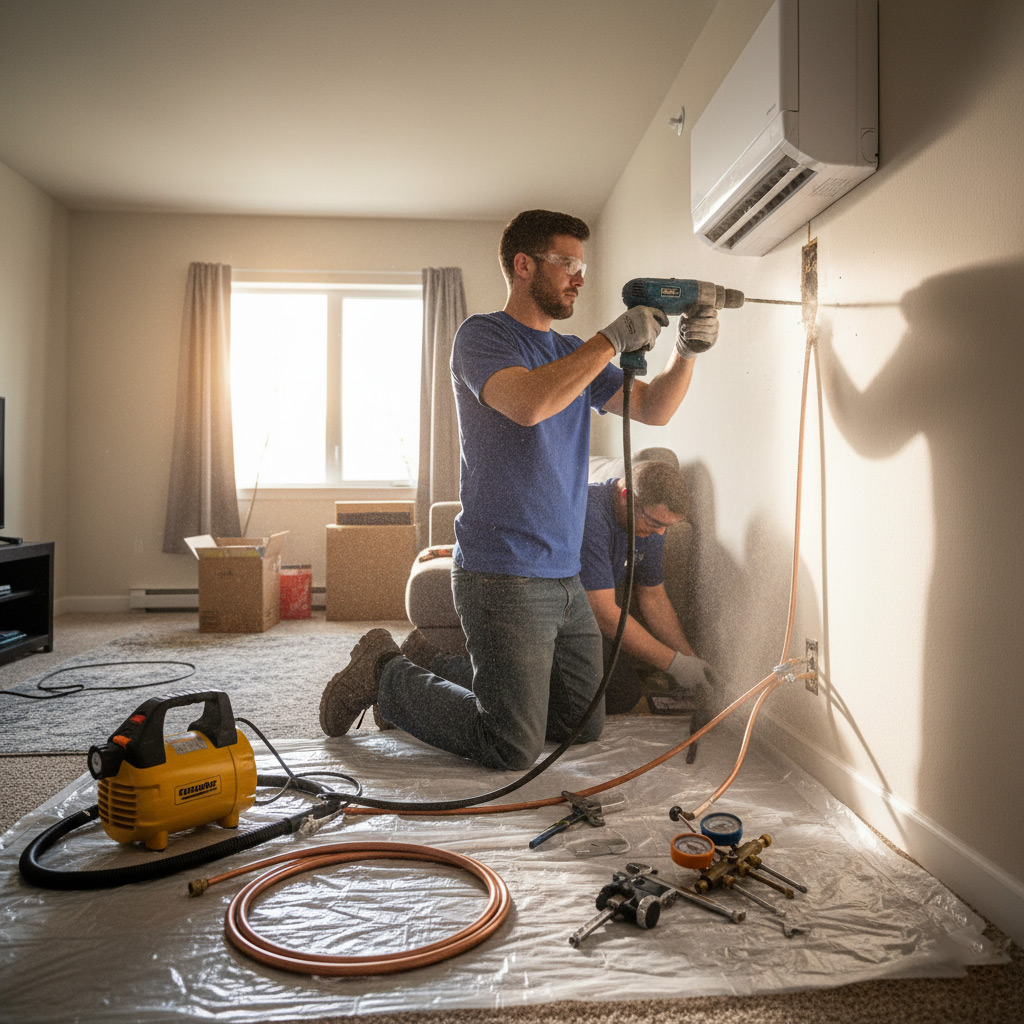
Picture this: you walk into your living room on a scorching July afternoon, and the air conditioner kicks on like a well‑tuned orchestra, delivering instant relief. That moment isn’t luck—it’s the result of a system that’s been cared for the right way, day in and day out.
Living in Gilbert means battling desert dust, sudden monsoon spikes, and temperature swings that would make most machines whine. If you skip the basics, you’re signing up for costly repairs, wasted energy, and uncomfortable nights.
What if you could lock in comfort, slash your utility bills, and keep your HVAC humming for years? The secret is a simple, repeatable checklist that even a busy homeowner can follow without a PhD in mechanics.
Ready to see exactly what you need to do, step by step, so your system stays strong no matter what the Arizona weather throws at it? Let’s dive in.

Seasonal Inspection Schedule: What to Check Quarterly in Gilbert’s Climate
Gilbert’s desert swing means your HVAC sees a full‑on workout every three months. Skipping a quarterly glance is like ignoring the oil light on a race car—soon you’ll feel the heat. Stay ahead of the curve by matching your inspection to the season’s quirks, and you’ll dodge surprise breakdowns.
Winter (December – February)
- Inspect the furnace flame sensor and clean any soot buildup.
- Check the heat exchanger for cracks; a quick visual can save you from carbon monoxide risks.
- Test the thermostat’s calibration; make sure the setpoint matches the actual room temperature.
While the desert cools, the system works harder to keep you warm. A quick turn‑on test of the blower ensures the motor isn’t grinding, and swapping out the furnace filter with a higher‑MERV option traps the fine dust that settles during the dry season.
Spring (March – May)
- Clear the outdoor condenser coils of pollen and sand; a garden hose on low pressure does the trick.
- Verify the refrigerant charge; low levels show up as weak cooling on a hot day.
- Lubricate fan bearings and inspect the fan belt for wear.
Spring brings monsoon bursts that can dump grit into the unit. A clean coil and a well‑oiled fan keep the airflow smooth, so the AC doesn’t have to work overtime when the sun turns up again.
Summer (June – August)
- Replace the indoor air filter with a fresh, high‑efficiency one.
- Check the condensate drain line for clogs; a blocked line can cause water damage.
- Run a short “full‑blast” cycle and listen for rattles or whines in the compressor.
When the mercury spikes, the AC is the lifeline. A clean filter and a clear drain keep the system humming, while listening for odd noises can catch a failing compressor before it quits mid‑heatwave.
Fall (September – November)
- Turn off the outdoor unit and cover it to protect against falling leaves.
- Inspect ductwork for leaks; seal any gaps with mastic or foil tape.
- Schedule a professional tune‑up to calibrate the system before winter hits.
Fall is the perfect time to give your ducts a quick seal and protect the outdoor unit from debris. A pro’s once‑a‑year check rounds out the quarterly routine, ensuring every component is ready for the next season’s demands.
DIY Pre‑Season Tune‑Up: Simple Tasks Homeowners Can Perform Safely
Before the desert heat or winter chill hits, give your system a quick once‑over. A few minutes of elbow grease now saves you a call‑out later, and you’ll feel the difference the moment you flip the switch.
Swap or Clean the Air Filter
Dust and pollen love to clog filters, forcing the blower to work harder. Grab a new filter or give the old one a gentle tap‑out, then vacuum the frame.
- Turn off the thermostat.
- Locate the return grille (usually behind a vent cover).
- Slide out the filter; if it’s more than a month old, replace it.
- Snap the new filter back in, making sure the arrows point toward the furnace.
Clear the Outdoor Condenser
The desert throws sand, leaves, and even the occasional tumbleweed at your outdoor unit. A clean coil means cooler air and lower electric bills.
- Shut off power at the breaker.
- Remove debris with a garden hose—no pressure washer.
- Brush away stubborn grime with a soft‑bristle brush.
- Check the fan blades for bends; straighten them if needed.
Inspect the Thermostat Settings
Modern thermostats have hidden menus that can drift off‑track. Verify the schedule matches your routine, and set the away mode when you’re not home.

Professional Maintenance Checklist: When to Call a Certified HVAC Technician
When you hear rattling from the furnace or notice the AC struggling to hit the set temperature, it’s a red flag that DIY fixes won’t cut it. Certified technicians have the tools and training to diagnose hidden problems before they become wallet‑draining emergencies. Ignoring these signs can lead to blown compressors, cracked heat exchangers, and a summer that feels like a sauna.
Critical Tasks Only a Pro Should Touch
- Inspecting and calibrating the refrigerant charge – low levels mean the system works harder, raising your bill.
- Testing electrical connections for wear, corrosion, or loose wires – a spark here can shut the whole house down.
- Cleaning the blower motor and fan blades to restore proper airflow and prevent motor burnout.
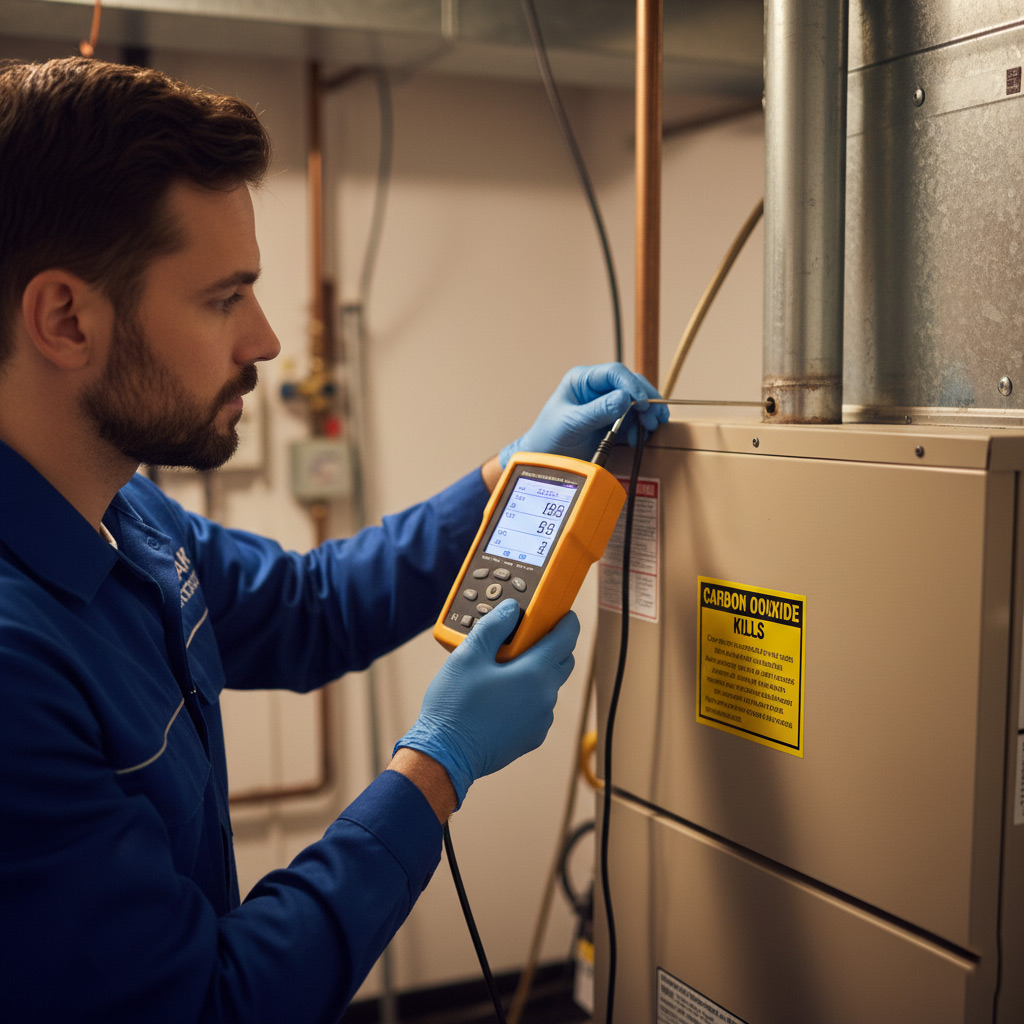
- Checking the heat exchanger for cracks or carbon monoxide leaks – safety first, always.
These jobs aren’t just about keeping the house cool; they protect your family’s health and your home’s value. A licensed pro can spot wear patterns that the naked eye misses, and they’ll document everything for warranty purposes.
Timing Is Everything
- Schedule a full system tune‑up at the start of each season – spring for cooling, fall for heating.
- Call a technician if you see ice forming on the evaporator coil – that’s a sign of low refrigerant or airflow blockage.
- When the thermostat displays error codes or the system cycles on and off rapidly, it’s time for a pro inspection.
- Any unusual odors (burning, musty, or chemical) demand immediate professional attention.
Air Quality & Filtration: Managing Desert Dust and Allergens
Gilbert’s dry air carries a constant stream of sand, pollen, and pet dander. If your system’s filter is weak, those particles settle on coils, choke airflow, and turn your home into a sneeze‑fest. Clean air starts with a solid barrier.
Choose the Right Filter
Not all filters are created equal. Pick one that matches your lifestyle and budget.
- Fiberglass (MERV 1‑4) – cheap, but lets most dust through.
- Pleated (MERV 5‑8) – catches pollen and fine dust; good for most families.
- HEPA‑style (MERV 13+) – stops allergens, mold spores, and even some viruses; worth the upgrade if anyone has asthma.
Maintain Clean Ducts & Humidity
Even the best filter can’t fix a dirty duct network. Schedule a professional cleaning every 3‑4 years, or sooner after a monsoon.
- Inspect visible ducts for dust buildup; wipe with a damp cloth.
- Use a whole‑home humidifier in winter; it keeps dust from becoming airborne.
- Run the fan on “auto” instead of “on” to avoid over‑circulating dry air.
Energy Efficiency Tips: Reducing Bills While Extending System Life
Smart Thermostat Settings
Set your thermostat 8 °F higher in summer and 5 °F lower in winter; the system works harder only when you need it. Programmed schedules let you sleep, work, or be away without wasting power. Tip: Use the “away” mode on hot days—your AC won’t run while the house is empty.
- Keep the fan on “auto,” not “on,” to avoid unnecessary circulation.
- Take advantage of the “eco” setting if your unit has one.
- Check the battery in your thermostat yearly; a dead cell can cause erratic behavior.
Seal the Deal: Duct & Insulation
Leaky ducts are the silent money‑stealers in a Gilbert home. Seal joints with mastic or foil tape, not the cheap cloth‑type tape that falls apart in a year. Proper insulation around ducts in the attic keeps the cooled or heated air from escaping before it reaches you.
- Inspect visible ducts for gaps; a quick visual check can reveal the problem.
- Wrap exposed ducts with insulation sleeves rated for desert temperatures.
- Consider a professional duct‑leak test if you suspect hidden losses.
Upgrade Wisely
When it’s time for a new furnace or AC, choose an ENERGY STAR model; the upfront cost pays off in lower utility bills. Adding shading—like a pergola or reflective awning—reduces the load on your system during scorching afternoons. Pro tip: Replace old single‑stage units with two‑stage or variable‑speed models for smoother operation and less wear.
- Look for SEER ratings of 15 or higher for air conditioners.
- Opt for a high‑efficiency furnace with an AFUE of 90 %+.
- Schedule a professional load calculation to size the new equipment correctly.
Real‑World Success: Case Study of a Gilbert Home’s HVAC Overhaul
The Situation
When the Martinez family moved into their 2,200‑sq‑ft ranch in 2022, the HVAC system was a relic from the early 2000s. It sputtered in July, shivered in December, and let desert dust settle everywhere.
Key pain points:
- Uneven cooling on the second floor.
- Sky‑high electric bills—up 30% over the neighborhood average.
- Frequent short‑cycling that triggered a noisy compressor.
The Overhaul
We started with a full diagnostic, then executed a targeted upgrade plan that fit the Martinez budget.
Steps taken:
- Replaced the aging 3‑ton unit with a high‑SEER 16‑tonnage model designed for desert climates.
- Installed a smart thermostat programmed for Gilbert’s temperature swings.
- Added a whole‑home air purifier to trap sand and pollen.
- Sealed duct leaks and added insulation to the attic run.
Results
Within the first month, the family noticed a dramatic shift.
Outcomes:
- Energy costs dropped 22%. The new unit runs longer but more efficiently.
- Even temperature throughout the house—no more hot spots.
- Quiet operation; the compressor now runs smoothly without the old rattling.
- Improved indoor air quality; allergy symptoms vanished for the kids.
Final Words: Keeping Your Comfort System Running Smoothly Year‑Round
Think of your HVAC like a car—you don’t wait for the engine to seize before you change the oil. A few minutes each month, a quick visual check, and a reminder on your phone keep the system humming without drama.
Stay Ahead of the Curve
Set a calendar alert for these three must‑do items:
- Inspect the outdoor coil for dust buildup after each monsoon.
- Swap out filters before the summer peak and again before winter.
- Listen for odd noises during the first week of a new season.
When you catch a snag early, you avoid a costly repair bill and keep the indoor climate steady.
When to Call the Pros
If you notice any of the following, pick up the phone. Don’t gamble with your comfort.
- Airflow drops more than 25% despite a clean filter.
- Unusual odors—musty, burning, or chemical.
- Frequent short‑cycling or the system won’t stay on.
Get in touch today! A quick HVAC maintenance call now saves you a weekend of sweating later.
People Also Ask
How often should I schedule HVAC maintenance in Gilbert, AZ?
A full professional inspection is recommended twice a year—once before the summer cooling season and once before winter heating. Quarterly checks of filters, thermostat settings, and outdoor units help catch issues early in the desert climate.Can I perform any HVAC maintenance tasks myself?
Yes, homeowners can safely replace or clean air filters, clear debris from outdoor condensers, and check thermostat batteries each season. For anything involving refrigerant lines, electrical components, or gas connections, always call a certified technician.What are the most common HVAC problems caused by desert dust?
Dust can clog filters, reduce airflow, and coat coil surfaces, leading to higher energy use and reduced comfort. Regular filter changes and coil cleaning are essential to prevent these issues in Gilbert’s dusty environment.How does regular maintenance improve energy efficiency?
A well‑maintained system runs at optimal pressure and airflow, which reduces the compressor’s workload and lowers electricity consumption. Keeping components clean and calibrated can shave 10‑15% off your monthly utility bills.When should I replace my HVAC system instead of repairing it?
If your unit is over 15 years old, requires frequent repairs, or shows a significant drop in performance, replacement is often more cost‑effective. New high‑efficiency models can qualify for rebates and provide long‑term savings in Gilbert’s extreme temperature swings.
Gilbert HVAC brings over a decade of residential and commercial climate‑control expertise to the Gilbert community. Their team of certified technicians delivers reliable heating, cooling, and indoor‑air‑quality solutions tailored to local needs. Committed to responsive service, they keep homes and businesses comfortable year‑round.
Need HVAC?
We deliver rapid, results‑driven solutions to homes and businesses in Gilbert, AZ (85233, 85234, 85295) and neighboring communities, ensuring you get the outcome you need, fast. Our focus on speed and measurable results keeps projects on track and on time.
Request a fast quote