That sudden clank from your boiler feels like a warning shot, and the next thing you know the whole house is colder than a desert night in Gilbert.
Most homeowners panic, call the first tech they find, and end up paying for a fix they didn’t need. You don’t have to be that guy.
In the next few minutes you’ll get a clear, step‑by‑step game plan that shows you how to diagnose the problem, decide when DIY is safe, and pick a local pro who actually knows his stuff.
Stick with me, and you’ll walk away with a boiler that runs smooth, a wallet that stays intact, and the confidence to handle the next hiccup without breaking a sweat.
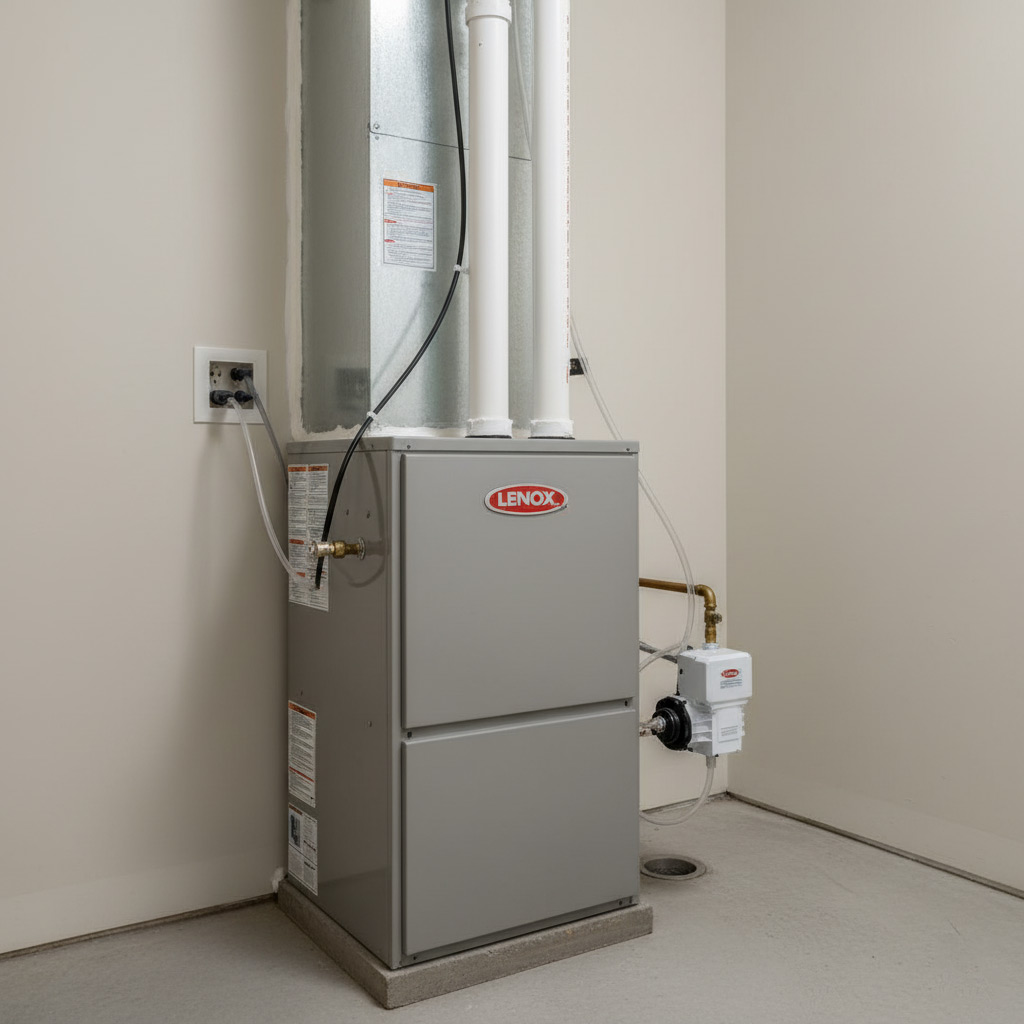
Common Boiler Problems in Gilbert, AZ and Their Warning Signs
Gilbert’s desert heat and hard water can be a brutal combo for a boiler that’s been running for a decade or more. Scale buildup clogs the heat exchanger, while the relentless temperature swings make metal fatigue a real threat. When those issues start, your boiler will let you know before it quits completely.
Typical Trouble Spots
- Leaking pressure valve – drips or puddles around the boiler base.
- Thermostat that won’t stay set – the house swings from toasty to icy in minutes.
- Rattling or clanking noises – metal parts grinding against each other.
- Low water pressure gauge – often below 1 psi, indicating a hidden leak.
- Frequent short‑cycling – the burner turns on and off too quickly.
Warning Signs You Can’t Ignore
- Foul, metallic odor when the system fires up.
- Visible rust or corrosion on pipes and fittings.
- Unexplained spikes in your energy bill.
- Cold spots in rooms that should be warm.
- Warning lights or error codes flashing on the control panel.
Safety First: Deciding Between DIY Repairs and Professional Help
When DIY Makes Sense
Not every clank needs a full‑blown service call. If the issue is a tripped breaker or a loose thermostat screw, you can usually fix it in under ten minutes.
- Check the pressure gauge – if it’s within the green zone, you’re probably fine.
- Inspect the pilot light – a flickering flame often just needs a cleaning.
- Replace a worn‑out filter – a simple twist‑off job that saves money.
When to Call the Pros
Some problems are a red flag that you should hand the job to a licensed technician. Ignoring them can turn a minor hiccup into a costly flood.
- Leaking water or steam – indicates a seal or pipe failure.
- Strange odors (gas or burning) – never gamble with combustion gases.
- Repeated shutdowns after reset – points to a deeper control issue.
Bottom line: If you’re unsure, pause. A quick call to a local Gilbert boiler specialist can save you time, stress, and a potential disaster.
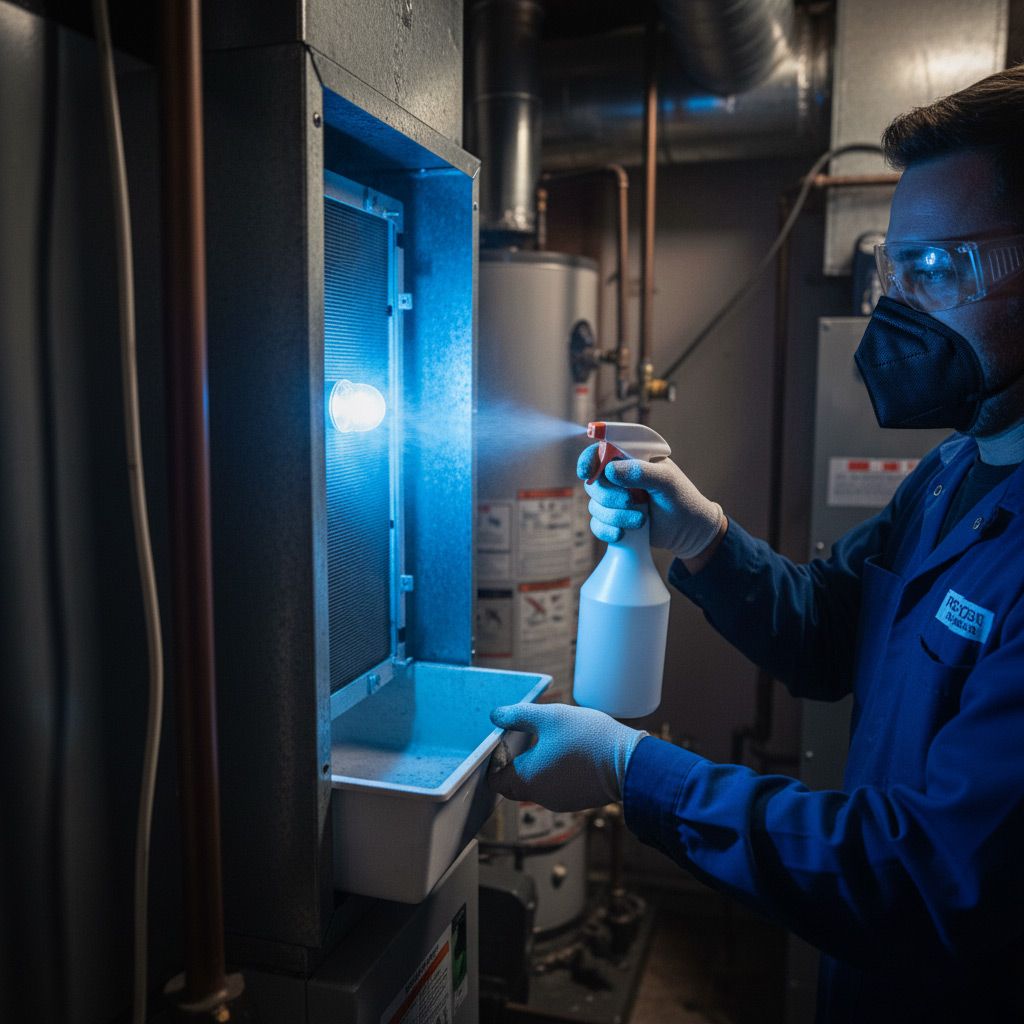
Step‑By‑Step Diagnostic Checklist for Your Boiler
Before You Start
Turn off the power and shut the gas valve – safety isn’t optional. Check the thermostat to make sure it’s set to “heat” and the temperature is above the ambient room temp. Grab a flashlight and look for obvious leaks or corrosion around the pressure gauge and vent pipes.
- Power off: circuit breaker or switch.
- Gas off: rotate valve to “off” position.
- Visual scan: rust, water, loose wires.
Run the Quick Test
Restore power, then listen. A steady “whoosh” means the burner is firing; a sputter or silence signals a problem. Next, feel the radiators – if they’re cold on one side, you’ve got a circulation issue.
- Press the reset button (if your model has one).
- Watch the pressure gauge: 1–1.5 bar when cold, 1.5–2 bar when hot.
- Check for error codes on the digital display.
Deep Dive
If the quick test didn’t reveal the culprit, it’s time to get granular. Open the access panel and inspect the flame sensor – a dirty sensor looks blackened and will cause the boiler to shut down.
- Clean the sensor with fine‑grade sandpaper.
- Examine the pump for humming; a silent pump often means a seized motor.
- Verify the venting system isn’t blocked – a simple piece of foil can test airflow.
Essential Tools, Parts, and Materials for Boiler Repairs
Must‑Have Hand Tools
Before you even think about opening the boiler, gather a solid set of screwdrivers, an adjustable wrench, and a pipe‑bender. These basics let you tighten connections, replace clamps, and adjust valves without a hitch.
Don’t forget a digital multimeter and a pressure gauge—these two gadgets tell you whether the electrical circuit is alive and if the system pressure is in the sweet spot.
- Screwdriver set (flat‑head & Phillips)
- Adjustable wrench (10‑15 mm range)
- Pipe‑bender or tubing cutter
- Digital multimeter
- Pressure gauge (0‑30 psi)
Key Replacement Parts
Boilers love to wear out the same components: thermostats, pressure relief valves, and ignition electrodes. Keep a small stock of these parts on hand, and you’ll cut down on wait‑times.
When you order, match the part number to your boiler’s make and model—mix‑and‑match leads to leaks, and nobody wants that.
- Thermostat (compatible with your model)
- Pressure relief valve (rated for 30 psi)
- Ignition electrode or spark plug
- Gasket kit (high‑temperature silicone)
- Replacement O‑rings (various sizes)
Materials That Save the Day
Sealants and lubricants are the unsung heroes of a clean repair. A tube of high‑temp pipe thread sealant stops drips before they start, while a few drops of PTFE grease keep moving parts humming.
Finally, keep a roll of T‑eflon tape and a bucket of water‑based cleaning solution nearby; they make quick clean‑ups painless.
- High‑temperature pipe thread sealant
- PTFE (white) grease
- T‑eflon tape (white)
- Water‑based boiler cleaner
- Shop towels and a small bucket
How to Choose a Trustworthy Boiler Repair Service in Gilbert
Check the Credentials
First thing’s first: make sure the tech is licensed and insured. A legitimate contractor will proudly display their Arizona contractor’s license number on their website or business card.
Ask for proof of insurance before they step under your roof. No paperwork, no work.
- License # – verify on the AZ Department of Consumer Affairs site.
- General liability and workers’ comp – ask for certificates.
- Manufacturer certifications – especially for high‑efficiency boilers.
Read the Reputation
Word‑of‑mouth still beats Google ads. Scan local review sites, Facebook groups, and the Better Business Bureau for real homeowner feedback.
Look for patterns: quick response times, clean workspaces, and technicians who actually explain the problem.
- 5‑star reviews that mention “honest pricing.”
- Comments about “no surprise fees.”
- Repeated praise for “friendly, knowledgeable staff.”
Demand Clear Pricing
A trustworthy pro will give you a written estimate before any wrench turns. That estimate should break down labor, parts, and any potential extra charges.
Ask about warranties on both parts and labor – a solid company stands behind its work for at least a year.
- Flat‑rate vs. hourly – know which you’re getting.
- Warranty length – longer is usually better.
- Payment terms – avoid “pay after the fact” surprises.
Case Study: Restoring a 20‑Year‑Old Boiler in a Gilbert Home
The Situation
When the Martinez family called, their 20‑year‑old cast‑iron boiler was sputtering, leaking a thin stream of water, and refusing to fire up on the coldest night of the year. They’d tried resetting the thermostat and even swapped the pressure gauge, but the heat stayed stubbornly out of reach. The house felt like a refrigerator, and the kids were already bundled up in blankets.
The Fix
Our tech arrived, ran a quick visual inspection, and then tackled the problem with a three‑step plan that any seasoned pro would recognize.
- Diagnose the leak: Found a cracked heat‑exchanger seam that was the source of the water loss.
- Replace the faulty component: Ordered a OEM‑approved heat‑exchanger sleeve, installed it with a torque‑wrench set to the manufacturer’s specs.
- Re‑pressurize and test: Bled the system, set the pressure to 12 psi, and ran a 30‑minute burn test. No more leaks, and the flame was steady.
The Result
Within an hour, the Martinez home was back to a comfortable 72 °F, and the bill for parts and labor was under $650 – a fraction of what a full boiler replacement would have cost. They now have a reliable heat source that should last another decade with proper maintenance. The family’s confidence in handling future hiccups grew, and they finally stopped Googling “DIY boiler repair” at 2 a.m.
Final Words
When the boiler finally hums back to life, take a minute to jot down what you saw, what you fixed, and the name of the tech who saved the day. That little log becomes your cheat sheet for the next surprise and shows future contractors you’re on top of things.
Keep the heat on
- Schedule a 12‑month tune‑up – it’s cheaper than a breakdown.
- Swap out old gaskets before they leak.
- Check the pressure gauge monthly; stay in the sweet spot.
And if you ever feel the heat slipping again, don’t gamble. Head over to our Boiler Repair page and pick a pro who knows Gilbert’s desert swings better than anyone. A quick call now saves you a cold night later.
People Also Ask
What are the most common boiler problems in Gilbert, AZ?
Typical issues include low water pressure, faulty thermostats, and ignition failures caused by mineral buildup from the desert climate. These problems often show up as uneven heating, strange noises, or error codes on the control panel.When should I attempt a DIY boiler repair versus calling a professional?
If the issue is a simple reset, a tripped breaker, or a minor leak you can safely tighten, DIY may be appropriate. For anything involving gas lines, electrical components, or persistent performance loss, hire a licensed technician to avoid safety hazards.What tools do I need for a basic boiler diagnostic checklist?
Essential tools include a pressure gauge, multimeter, flashlight, and a set of adjustable wrenches. Having a user manual and a notebook for recording readings also helps streamline the troubleshooting process.How can I verify that a boiler repair service in Gilbert is trustworthy?
Check for proper licensing, insurance, and positive local reviews on Google or Angie's List. Ask for references, confirm they have experience with your boiler brand, and ensure they provide a written estimate and warranty.How long does it typically take to repair a 20‑year‑old boiler?
Repair time varies by issue, but most common fixes—like replacing a pressure valve or cleaning burners—can be completed within 2‑4 hours. More extensive work, such as heat exchanger replacement, may require a full day or longer.
Gilbert HVAC has been serving the Gilbert community for over 15 years, delivering reliable heating and cooling solutions. Their certified technicians specialize in energy‑efficient installations and prompt repairs, ensuring comfort for homes and businesses throughout the area. Committed to local service, they prioritize quick response times and personalized care for every client.
Need HVAC?
We deliver rapid, results‑driven solutions to homes and businesses in Gilbert, AZ (85233, 85234, 85295) and neighboring communities, ensuring you get the outcome you need, fast. Our focus on speed and measurable results keeps projects on track and on time.
Request a fast quote