
When the desert sun cranks the mercury past 110°, most homeowners just slam the AC button and pray. The smart ones in Gilbert, AZ, don’t leave their comfort to chance—they treat an HVAC swap like a high‑stakes poker hand, playing only the cards that guarantee a win.
They start by sizing the new system to the exact square footage, then hunt down the hottest rebates before the installer even steps foot in the yard. A quick upgrade to a Wi‑Fi thermostat turns the whole house into a climate‑controlled sanctuary, and a professional tune‑up guarantees the unit runs like a race‑car on a fresh track.
Curious about the exact checklist these savvy homeowners follow and how it pads their wallets? Dive in and discover the playbook that turns a pricey replacement into a smart investment.
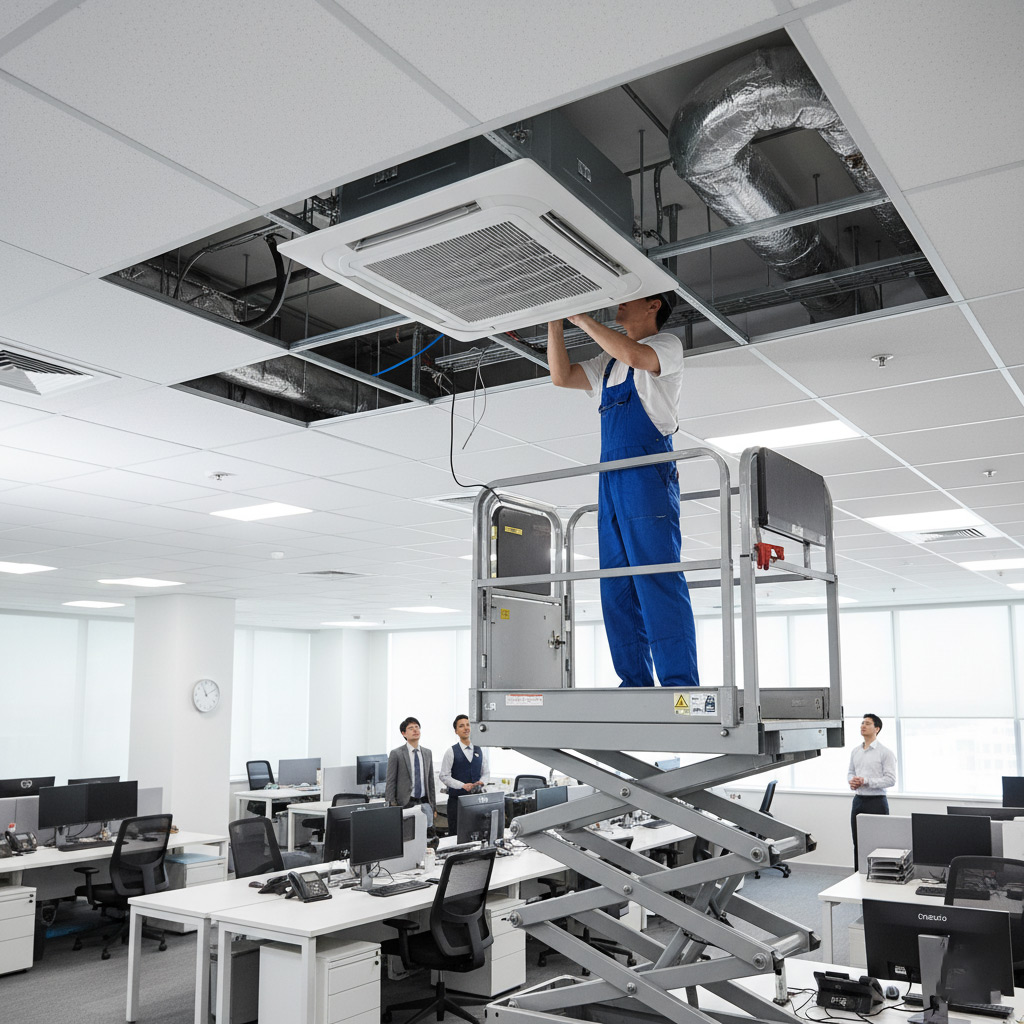
Assessing Your Home’s Cooling Load: Accurate Sizing for Maximum Efficiency
In Gilbert’s scorching desert, an oversized AC is a money‑sucking monster, while an undersized unit leaves you sweating on the couch. Getting the load right means the system runs at its sweet spot, cutting wear and keeping the electric bill in check.
Step‑by‑step load calculation
- Square footage matters – multiply the total livable area by a climate factor (usually 20‑25 BTU per square foot in Phoenix‑Gilbert).
- Count the heat sources – appliances, lighting, and even the number of occupants add to the load.
- Factor in sun exposure – south‑facing windows, roof color, and shading can boost the demand by 10‑15%.
Most homeowners skip the math and call a contractor, but a quick DIY audit gives you leverage. When you hand a contractor a clear load number, you’ll see fewer upsells and a system that actually fits your house.
Professional Manual J calculations are the gold standard. A certified technician uses software to model airflow, insulation levels, and duct leakage. Result? A system that runs steady, never cycling on and off like a jittery hamster wheel.
Researching and Selecting the Ideal HVAC System for Gilbert’s Desert Climate
Know Your Climate
Gilbert’s summer hits 110°F + and the nights barely dip below 80°F. That means you need a unit that *pulls* heat fast and runs cool without choking on dust.
Key specs to hunt for:
- SEER 15+ – higher numbers = lower bills.
- Variable‑speed blower – smooth airflow, less wear.
- Corrosion‑resistant coils – desert sand is relentless.
Pick the Right System Type
Not every home needs a full‑size central air conditioner. Match the system to the house layout and budget.
- Split‑system central AC – classic, great for homes with existing ducts.
- Mini‑split (ductless) – perfect for additions or rooms without ductwork.
- Hybrid heat pump – handles both scorching days and chilly winter mornings.
Check the Credentials
Even the best unit will sputter if the installer isn’t on point. Look for these red flags before you sign.
- EPA‑registered and ENERGY STAR certified.
- Manufacturer’s warranty of at least 10 years on the compressor.
- Local dealer with a proven track record in Gilbert – they know the sand, the sun, and the permits.
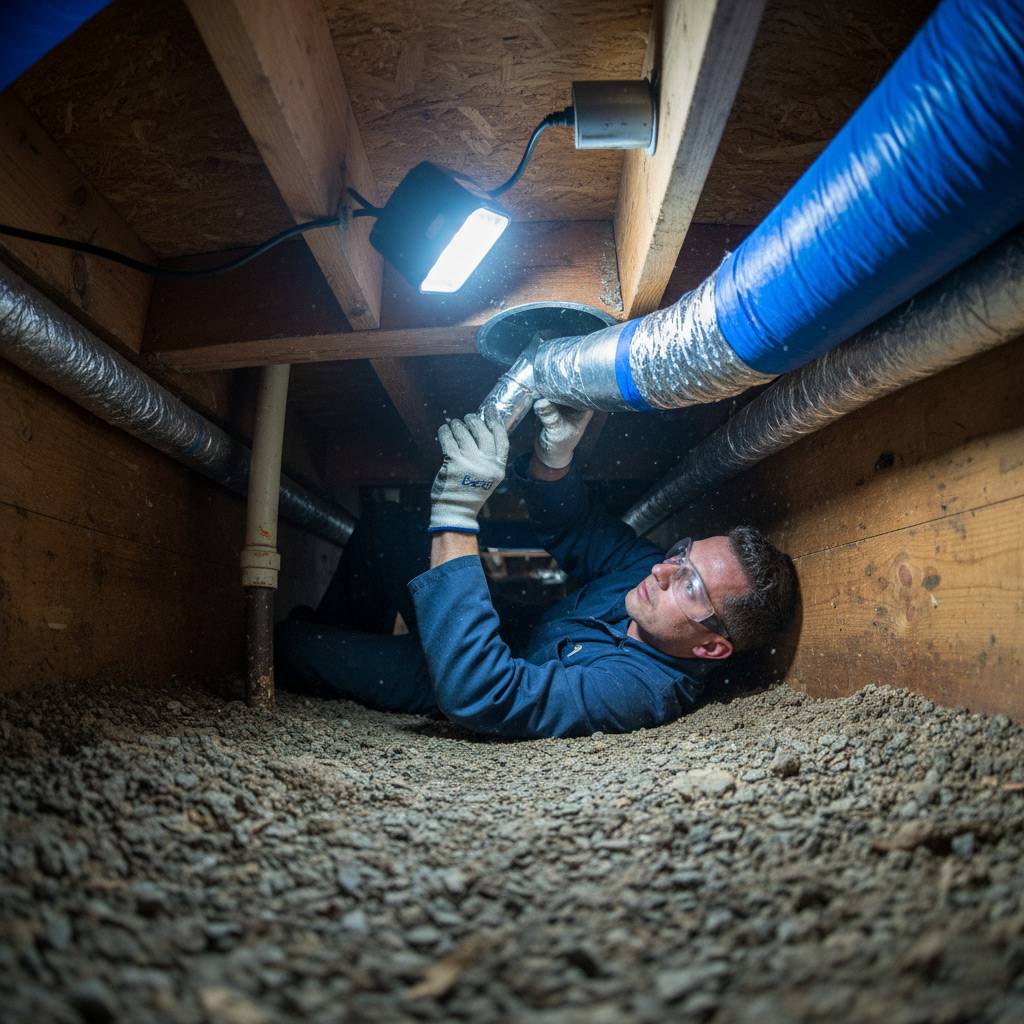
Unlocking Local Rebates, Tax Credits, and Financing Options Before Installation
Gilbert’s utility companies love to reward homeowners who upgrade to high‑efficiency gear. Start by scanning the APS website and the City of Gilbert’s energy‑saver portal; you’ll often find rebates that cover 10‑30% of the equipment cost. Grab those dollars before the installer even shows up—they’re yours for the taking.
Federal & State Tax Incentives
Both the federal government and Arizona offer credits that can shave thousands off your tax bill. The key is timing: claim the credit in the tax year you install the system.
- Federal Energy Efficient Home Improvement Credit – up to $300 per ton for qualifying units.
- Arizona Residential Energy Tax Credit – 25% of the equipment cost, capped at $1,000.
- Local Solar & HVAC Combo Programs – some neighborhoods get extra cash when you pair a solar array with a new AC.
Smart Financing Paths
Even with rebates, a new HVAC can feel like a big ticket. Luckily, there are financing tricks that keep monthly payments low.
- 0% APR for 12‑month promos from many HVAC dealers.
- Low‑interest, 5‑year loans through the Arizona Credit Union network.
- Energy‑efficiency loans from the Arizona Department of Commerce – they often require only a short application.
Choosing a Certified Installer and Understanding the Installation Process
Why Certification Matters
In Gilbert’s desert heat, a half‑baked install can turn a cool night into a sauna. Only a contractor with a current Arizona HVAC license can pull the permits that keep you out of trouble with the city. Look for NATE‑certified technicians—they’ve passed a rigorous exam and know how to tune a system for 120‑degree days.
Vet the Vet
Don’t just grab the first name you see on Google. Ask for proof of insurance, a copy of the license, and at least three recent homeowner references. A reputable installer will gladly share a written estimate that breaks down labor, equipment, and any extra fees.
- License number – verify on the Arizona Registrar site.
- Insurance – general liability and workers’ comp.
- References – recent jobs in Gilbert or nearby Mesa.
What Happens on Installation Day
The crew arrives early, checks the layout, and confirms the load calculation matches the unit on the truck. They then:
- Disconnect the old furnace or AC, cap refrigerant lines safely.
- Install the new indoor coil, connect ductwork, and seal every joint.
- Hook up the outdoor condenser, charge the system with the exact refrigerant amount.
- Run a full start‑up test, calibrate the thermostat, and hand you a clean, signed completion form.
When the job’s done, the installer should walk you through the warranty paperwork and show you how to set the new Wi‑Fi thermostat. That final walkthrough is where you lock in the savings you’ve been chasing.
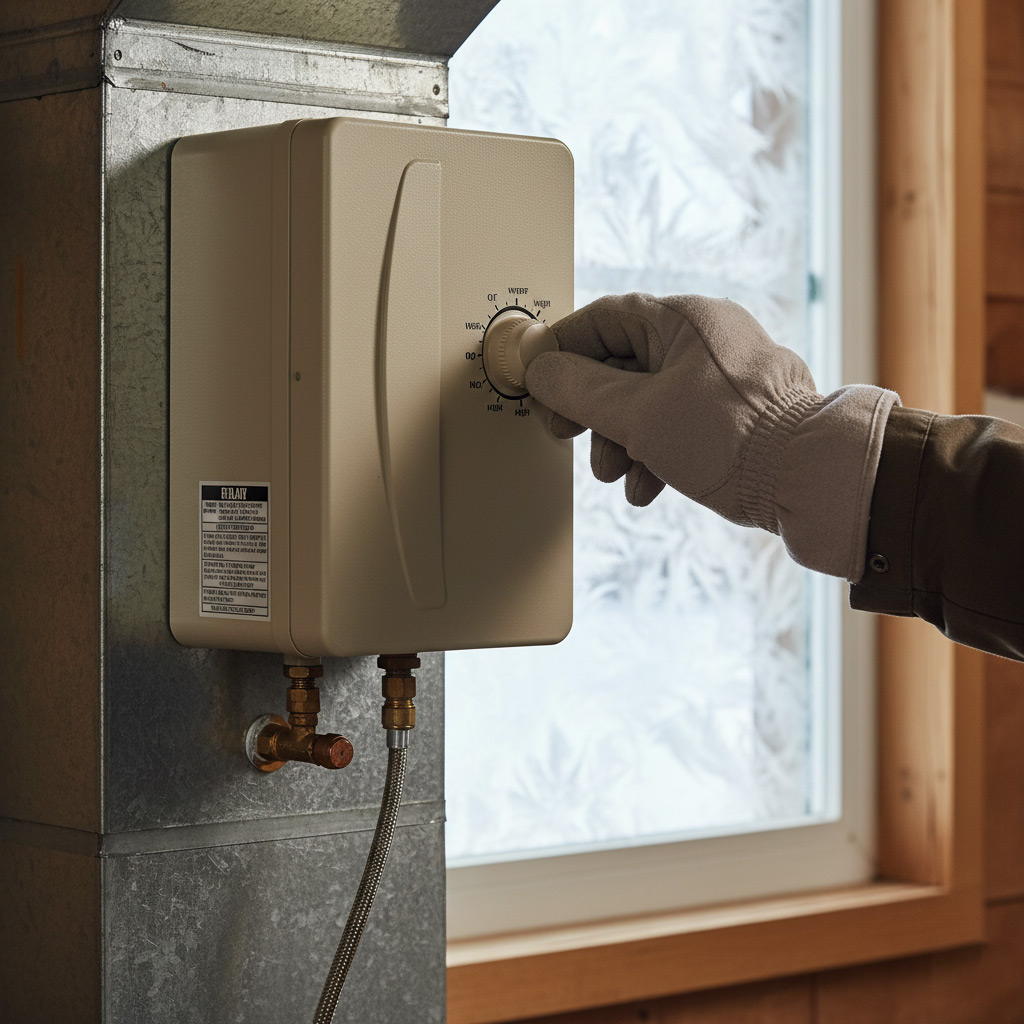
Integrating Smart Technology: Wi‑Fi Thermostats and Home Automation
Why Go Smart?
In a desert climate, every degree counts. A Wi‑Fi thermostat lets you dial the temperature from your phone while you’re still in the car, cutting waste before it even starts.
Smart control translates into real dollars:
- Instant adjustments prevent the unit from running longer than needed.
- Geo‑fencing shuts off the AC the moment you leave the neighborhood.
- Detailed usage reports show exactly where you can trim the bill.
Picking the Right Hub
Not all thermostats are created equal. Look for a model that talks to Alexa, Google Home, or Apple HomeKit so you can tie the AC into your existing voice‑controlled routine.
Features that matter in Gilbert:
- Built‑in humidity sensor – keeps the indoor air from feeling like a sauna.
- Seasonal adaptive learning – the unit remembers your preferences and fine‑tunes itself.
- Local weather integration – the system pre‑cools when a heat wave is forecast.
Installation & Security Tips
Even the smartest thermostat is useless if it’s wired wrong. Have a certified installer run the low‑voltage wiring and verify the Wi‑Fi signal strength at the thermostat’s location.
Secure your network: change the default password, enable two‑factor authentication, and keep the firmware updated. A protected system not only guards your data but also ensures the AC runs without hiccups.
Case Study: How a Gilbert Family Saved $2,500 with a Strategic HVAC Replacement
When the Martinez family realized their 12‑year‑old unit was guzzling power like a desert mule, they stopped tolerating the bill shock. Instead of a quick swap, they turned the replacement into a profit‑center.
What They Did Differently
They followed a three‑step playbook that any savvy homeowner can copy:
- Load calculation first – a certified technician performed a Manual J analysis, revealing the old unit was 30% oversized.
- Rebate hunting – they claimed the $1,200 Arizona Energy Efficiency rebate and a $300 utility‑company credit.
- Smart upgrade – a Wi‑Fi thermostat and variable‑speed blower added $400, but cut run‑time by 15%.
The final bill? A $5,800 installation price that dropped to $3,300 after incentives and energy savings. In the first summer, the Martinez home logged a $2,500 reduction in utility costs, paying off the upgrade in under two years.
Final Words: Turning HVAC Replacement into a Smart Investment
Why It Pays to Think Like an Investor
Every dollar you spend on a properly sized, high‑efficiency unit is a deposit in your home’s equity. Smart homeowners watch the bill drop and the resale value climb—no magic, just numbers.
- Lower utility bills: 15‑30% savings in the first year.
- Tax credits & rebates: up to $1,500 back in cash.
- Increased property value: buyers notice a modern, energy‑smart system.
Locking in Value with Smart Tech
Adding a Wi‑Fi thermostat isn’t a gimmick; it’s a control panel for your wallet. Set schedules, monitor usage, and let the system adapt to desert heat without you lifting a finger.
Pair that with a maintenance contract and you’ve got a predictable expense line—no surprise breakdowns, just steady performance.
Next Steps for the Savvy Homeowner
Grab a free load calculation, lock in the best rebate, and schedule a certified installer. The process is a handful of calls, not a months‑long saga.
When the new unit hums to life, you’ll feel the difference instantly—cool air on a 115° day and a bank account that thanks you every month.
People Also Ask
How do I determine the correct HVAC size for my Gilbert home?
A professional load calculation (Manual J) evaluates square footage, insulation, window exposure, and local climate to size the system accurately. Proper sizing prevents short‑cycling, reduces energy bills, and extends equipment life.What rebates or tax credits are available for HVAC replacement in Gilbert, AZ?
The City of Gilbert and Arizona’s Energy Office often offer rebates for ENERGY STAR‑rated units, while federal tax credits can cover up to 30% of qualifying equipment costs. Check the local utility website and consult your installer for the latest incentives.Why should I choose a certified HVAC installer for my replacement?
Certified installers follow manufacturer guidelines, ensure proper refrigerant handling, and are trained on local code requirements. This reduces the risk of warranty denial and guarantees optimal system performance.Can I control my new HVAC system with a smartphone?
Yes, Wi‑Fi thermostats and smart hubs let you adjust temperature, set schedules, and monitor energy use from any device. Integration with home automation platforms adds convenience and can further lower utility costs.How much can a strategic HVAC replacement save a Gilbert family?
A well‑planned HVAC replacement that includes proper sizing, high‑efficiency equipment, and available rebates can save a typical family around $2,500 over five years. Savings come from lower electricity usage and reduced maintenance expenses.
Gilbert HVAC has served the Gilbert community for over a decade, delivering reliable heating and cooling solutions tailored to desert climates. Their certified technicians combine industry knowledge with a commitment to energy efficiency, ensuring comfort for homes and businesses throughout the area.
Need HVAC?
We deliver rapid, results‑driven solutions to homes and businesses in Gilbert, AZ (85233, 85234, 85295) and neighboring communities, ensuring you get the outcome you need, fast. Our focus on speed and measurable results keeps projects on track and on time.
Request a fast quote