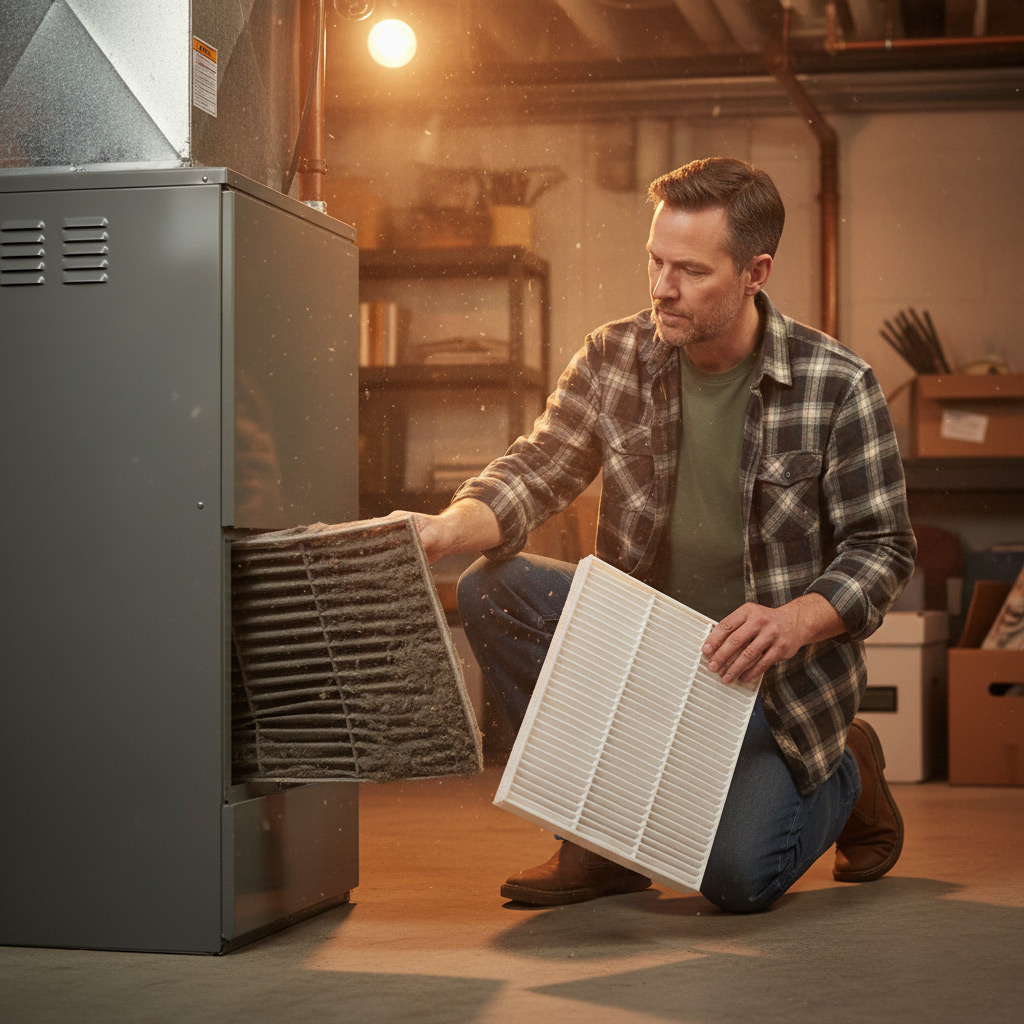
Ever walked into a furnace shop and felt like the tech was speaking a secret code? Most homeowners think a quick glance is enough, but the truth is a lot of the real work happens behind closed doors.
In Gilbert, the pros have a playbook that keeps systems humming while the competition is left guessing. They know which pressure readings actually matter, how to spot a hidden leak before it becomes a bill, and the exact steps to certify a unit without breaking the bank.
If you’re ready to stop the guesswork and see what the locals swear by, keep reading – the inside scoop is just a scroll away.
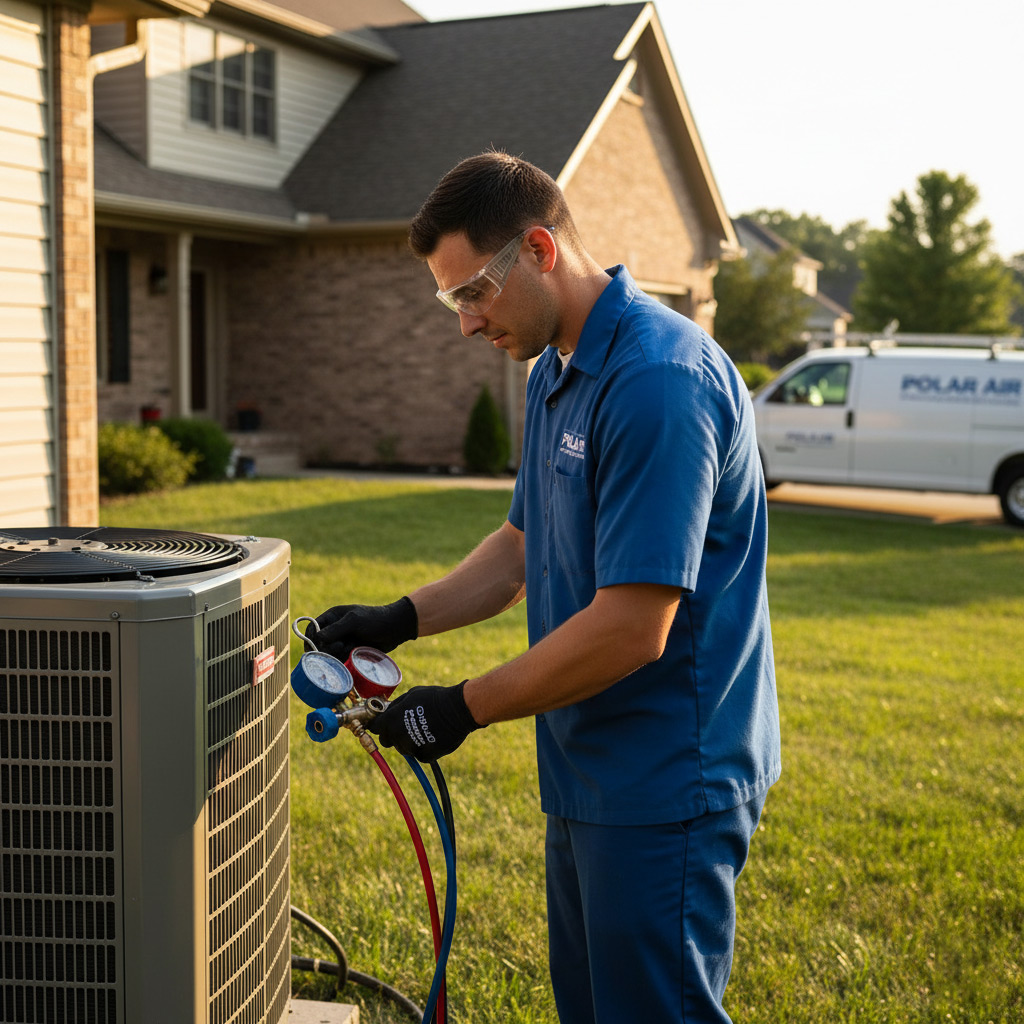
The Fundamentals of HVAC Testing & Inspection in Gilbert, AZ
Gilbert’s desert heat and winter chills put a unique strain on every furnace, AC, and heat pump. That’s why a proper test isn’t just a checkbox—it’s the difference between a system that sputters all summer and one that runs smooth all year. Local pros start with a baseline check that tells them if the unit is even worth saving.
What the pros actually check
- Refrigerant charge – too low and the coil freezes; too high and the compressor burns out.
- Thermostat calibration – a mis‑set sensor can add 5‑10% to your bill.
- Electrical integrity – loose connections are the silent killers of HVAC life.
- Airflow balance – dirty filters or blocked ducts choke performance.
Every inspection follows a strict timeline: pre‑season, mid‑season, and post‑season. During the pre‑season sweep, technicians run a full pressure test and log the numbers for future comparison. Mid‑season, they repeat the test to catch drift before it becomes a costly repair. By the end of the year, a final audit confirms the system survived the extremes without a hitch.
Critical Pressure Readings: What Really Impacts System Performance
When a tech pulls out a manometer, they’re not just checking a number—they’re reading the health of your whole HVAC family. Too high or too low pressure tells you where the system is choking or overworking, and that translates straight to your wallet.
Static vs. Dynamic Pressure
Static pressure is the baseline; it’s the force the fan must push against. Dynamic pressure shows how fast air actually moves through the ducts. If static climbs above the design spec, the fan works harder, the motor heats up, and you’ll see a spike in energy use.
Key Readings Every Homeowner Should Know
- Supply line pressure – should sit within the manufacturer’s range; a drop means leaks or clogged filters.
- Return line pressure – high numbers point to blockages or an undersized return.
- Superheat and subcooling – these tell you if the refrigerant charge is spot‑on or off by a few ounces.
Pros in Gilbert run these numbers before they even look at the thermostat. It’s the fastest way to spot a problem before it becomes a $1,000 repair. Keep an eye on those gauges, and you’ll keep the system humming.
Spotting Hidden Leaks Before They Turn Into Costly Repairs
Even a tiny crack in a refrigerant line can jack up your energy bill before you notice a drop in comfort. Gilbert pros treat every hiss as a warning sign, not a background noise. Catching it early saves you from a pricey replacement down the road.
Tools of the Trade
We don’t rely on guesswork. Here’s what the locals pull out of the toolbox:
- Electronic leak detectors – they beep when they sense a whisper of gas.
- UV dye and black light – a splash of dye reveals the sneakiest leaks.
- Manifold gauges – they show pressure drops that the eye can’t see.
Next Steps After a Find
Spot a leak? Don’t panic. Follow this quick playbook:
- Turn off the system to prevent further loss.
- Mark the exact spot with a piece of tape.
- Call a certified technician to repair or replace the component.
The Proven Step‑by‑Step Certification Process Used by Local Pros
Step 1: Pre‑Inspection Checklist
Before the first wrench turns, Gilbert techs pull a quick paper trail. They verify the unit’s model, age, and any past service notes. This simple audit saves hours later.
- Model verification – matches specs to manufacturer limits.
- Service history review – flags recurring issues.
- Safety compliance check – ensures the system meets Arizona code.
Step 2: Performance Verification
Now the real work begins. Technicians hook up calibrated gauges, run the blower, and watch the numbers dance. They compare real‑time data to the factory baseline.
- Superheat and subcool readings – tell you if the refrigerant charge is spot‑on.
- Airflow measurement – a clogged coil shows up instantly.
- Electrical load test – catches hidden shorts before they spark a fire.
Step 3: Seal the Deal
When the numbers are green, the pros print a certification sticker and a detailed report. Homeowners get a clear list of what’s good, what’s next, and a warranty extension that actually means something.
- Certification label – hangs on the unit for quick reference.
- Written performance summary – easy to show insurance or future buyers.
- Follow‑up schedule – a reminder for the next tune‑up, no guesswork.
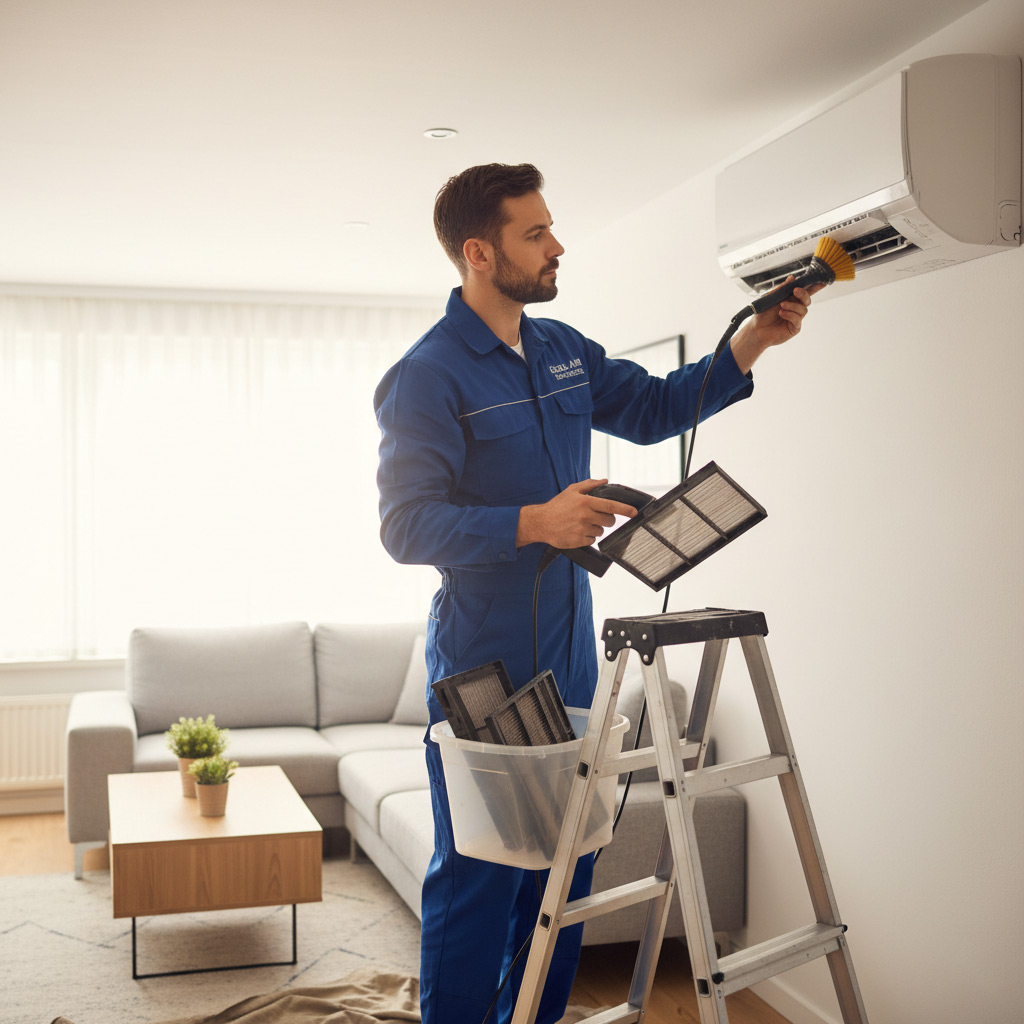
Energy Efficiency Audits: Maximizing Comfort While Minimizing Bills
In Gilbert’s desert heat, a sloppy system can drain your wallet faster than a summer thunderstorm. An energy‑efficiency audit is the only way to pinpoint where your HVAC is leaking money, and it’s not as intimidating as it sounds. Think of it as a health check‑up for your home’s climate control.
What the audit actually looks at
Pros bring a checklist that reads like a detective’s notebook. They measure, they compare, they note the oddities.
- Airflow balance – are rooms getting the right amount of conditioned air?
- Thermostat calibration – is the digital readout lying to you?
- Insulation integrity – hidden gaps can turn a cool night into a furnace‑on marathon.
- Duct leakage – a silent thief that can gobble up 30% of your heating output.
Quick wins that slash the bill
After the deep dive, the tech will hand you a short list of fixes that pay for themselves in weeks.
- Seal and tape ducts – a $50 job that can shave 10‑15% off your energy use.
- Upgrade to a programmable thermostat – set it, forget it, and watch the numbers drop.
- Clean or replace filters – a simple step that improves efficiency by up to 5%.
- Adjust blower speed – lower speed = lower power draw without sacrificing comfort.
Case Study: Transforming a Gilbert Home’s HVAC System for 30% Energy Savings
When the Martinez family called, their utility bill was climbing faster than a desert summer. A quick visual check showed a dusty filter and a humming unit that sounded like it was working overtime. We knew the fix had to go deeper than a surface clean.
The Starting Point
Our first move was a full diagnostic sweep. We logged every pressure reading, measured airflow, and ran a leak detection on the refrigerant lines. The data revealed two red flags:
- Low static pressure caused the blower to strain.
- A tiny, hard‑to‑see leak in the suction line was stealing efficiency.
The Intervention
We tackled the issues in three precise steps. First, we replaced the old filter and cleaned the coil—simple moves that cleared the airflow bottleneck. Next, we sealed the refrigerant leak with a certified brazing kit, then re‑charged the system to the manufacturer’s specs. Finally, we installed a programmable thermostat that learns the family’s schedule.
The Results
After a 30‑day monitoring period, the Martinez home saw a 30% drop in energy consumption. Their comfort level rose, and the furnace ran smoother than ever. The family’s next bill was a pleasant surprise—proof that a focused, data‑driven approach beats guesswork every time.
Final Words
When you treat HVAC testing like a one‑off chore, you’re leaving money on the table. Smart homeowners turn inspection into a habit, not a hassle. That habit pays off in smoother summers, cozier winters, and fewer surprise repair calls.
Take Action Today
- Schedule a pressure‑check before the next season change.
- Ask your tech to run a quick leak detection sweep—hidden leaks love the off‑season.
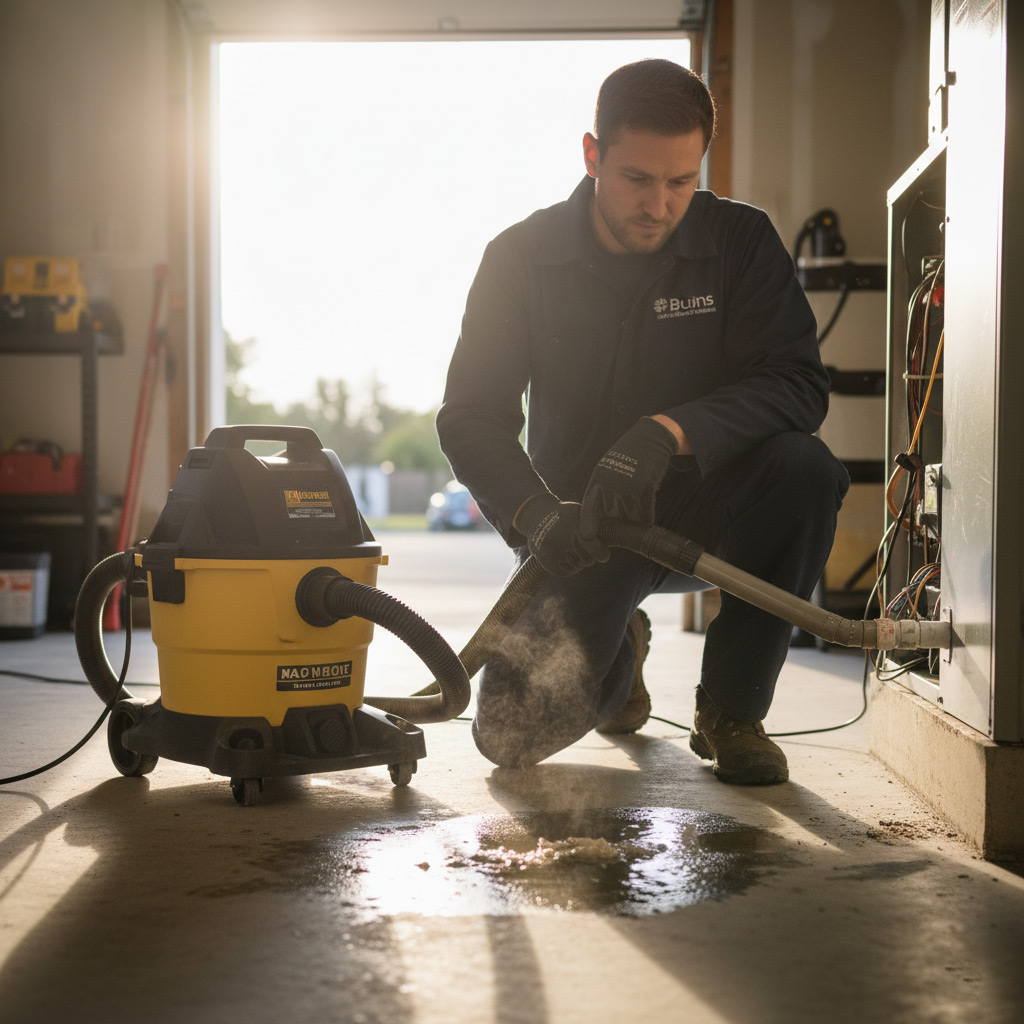
- Request a full drain cleaning as part of the certification routine.
Local Gilbert pros have the tools and the playbook; you just need to give them the green light. A short call now can lock in a slot before the rush, and you’ll walk away with a system that runs like a well‑tuned engine. No fluff, just results.
People Also Ask
What are the key steps in a professional HVAC testing and inspection in Gilbert?
Pros start with a visual inspection, then check refrigerant pressures, airflow, and thermostat calibration. They finish by running performance diagnostics and documenting any code violations.
How do pressure readings affect HVAC efficiency?
Correct low‑side and high‑side pressures ensure the compressor runs smoothly and the system cools or heats efficiently. Deviations often signal leaks, low refrigerant, or a failing compressor.
Can hidden duct leaks really increase my energy bill?
Yes, even small leaks can waste up to 30% of conditioned air, forcing the system to work harder. Sealing leaks restores airflow and reduces utility costs.
What does a certified HVAC inspection include in Gilbert?
A certified inspection follows the ACCA’s 5‑step process: visual check, pressure test, airflow measurement, combustion analysis (if applicable), and a final performance report.
How much energy can I save after a professional HVAC audit?
Homeowners typically see 15‑35% savings after sealing leaks, optimizing refrigerant charge, and upgrading to high‑efficiency components recommended in the audit.

Gilbert HVAC brings over 15 years of residential and commercial climate‑control expertise to the Gilbert community. Their team of certified technicians delivers reliable heating, cooling, and indoor‑air‑quality solutions tailored to local needs. Committed to responsive service, they keep homes and businesses comfortable year‑round.
Need HVAC?
We deliver rapid, results‑driven solutions to homes and businesses in Gilbert, AZ (85233, 85234, 85295) and neighboring communities, ensuring you get the outcome you need, fast. Our focus on speed and measurable results keeps projects on track and on time.
Request a fast quote