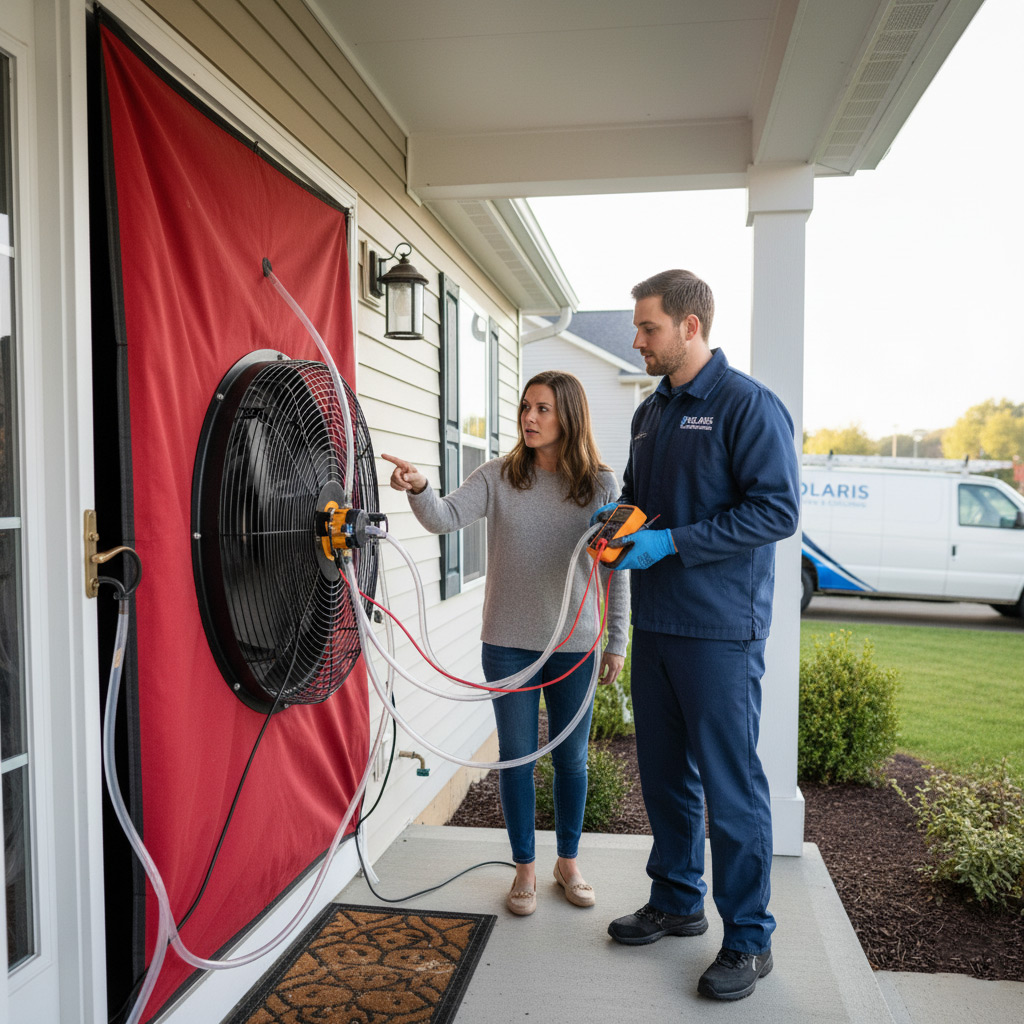
Picture this: you’re looking at your monthly power bill and it’s almost half of what it used to be, all because you tweaked the way your HVAC system breathes in the desert heat. No new equipment, no magic—just a handful of smart design moves that any homeowner in Gilbert can pull off.
Gilbert’s scorching summers and chilly winter nights demand a system that works with the climate, not against it. From zoning tricks that keep the bedroom cool while the living room stays toasty, to duct layouts that stop air from leaking into the desert sand, the right tweaks can turn a money‑draining monster into a silent saver.
If you’re ready to learn the exact hacks that will slash those bills, keep reading and we’ll walk you through each step, plain and simple.

Understanding Gilbert’s Climate and Its Influence on HVAC Design
Gilbert basks in a desert climate that flips from blistering 105°F summers to crisp 40°F winter mornings. Those temperature swings aren’t just a weather story—they dictate how much heating and cooling your home actually needs. Ignoring them means you’ll either overwork a tiny unit or waste money on a giant system that never runs.
Key Climate Stats
- Average summer high: 103°F
- Winter low average: 38°F
- Low humidity: 20‑30% most of the year
- Sun‑intense days: 260+ annually
Those numbers push the HVAC design focus toward high‑SEER cooling for the summer and a modest, efficient furnace for the chillier months. A system sized by the rule‑of‑thumb will miss the mark; you need a load calculation that respects the desert’s heat gain through windows and roofs.
Design Factors That Matter
- Orientation: South‑facing rooms soak up extra sun, demanding stronger cooling zones.
- Roof material: Light‑colored or reflective roofs cut heat load dramatically.
- Insulation levels: Proper R‑values keep the cool in and the heat out.
When you line up your HVAC design with these climate quirks, the system breathes easier, runs cooler, and your electric bill finally starts to look friendly again.
Smart Zoning Strategies: Cooling Bedrooms While Heating Living Areas
One size fits none. In a Gilbert home, the bedroom often feels like a refrigerator while the living room feels like a sauna. Separate zones let you tell each space exactly what it needs—no more, no less.
Why Zoning Beats the Guess‑Work
When you run a single thermostat for the whole house, the system spends extra cycles chasing a temperature that never exists. That wastes power and drives up wear‑and‑tear. By assigning a dedicated thermostat or smart valve to each zone, you cut idle run‑time by up to 30 %.
DIY Zoning Tips for the Average Homeowner
Start with the rooms that have the biggest temperature swing—usually the master bedroom and the family room. Install motorized dampers in the main trunk line, then connect each damper to a programmable thermostat or a Wi‑Fi hub. Set the bedroom to 72 °F at night and the living area to 78 °F during the day.
- Use a smart thermostat that supports multiple zones; many models sync with Alexa or Google Home.
- Seal the return air grille in each zone to prevent cross‑talk between hot and cool air.
- Install a thermostat on an interior wall, away from direct sunlight, for the most accurate reading.
Once the zones are live, program a simple schedule: cool the bedroom 2 hours before bedtime, then let it drift up while the living room stays warm for evening activities. The result? A comfortable home and a noticeably lighter electric bill.
Ductwork Design Hacks: Proper Sizing, Sealing, and Layout for Leak‑Free Airflow
Get the Size Right
Too big a duct is a lazy pipe; too small a duct is a choke‑hold. Right‑sized ducts keep the blower from overworking and the thermostat from screaming for help.
Measure the square footage of each zone, then apply the ACCA Manual D formulas. The result? A duct that moves just enough air to hit the setpoint without wasting power.
- Use a Manual D calculator or ask a pro to run the numbers.
- Round up to the nearest standard size—don’t custom‑cut every piece.
- Leave a 10‑15% margin for future additions (like a new bedroom).
Seal the Leaks
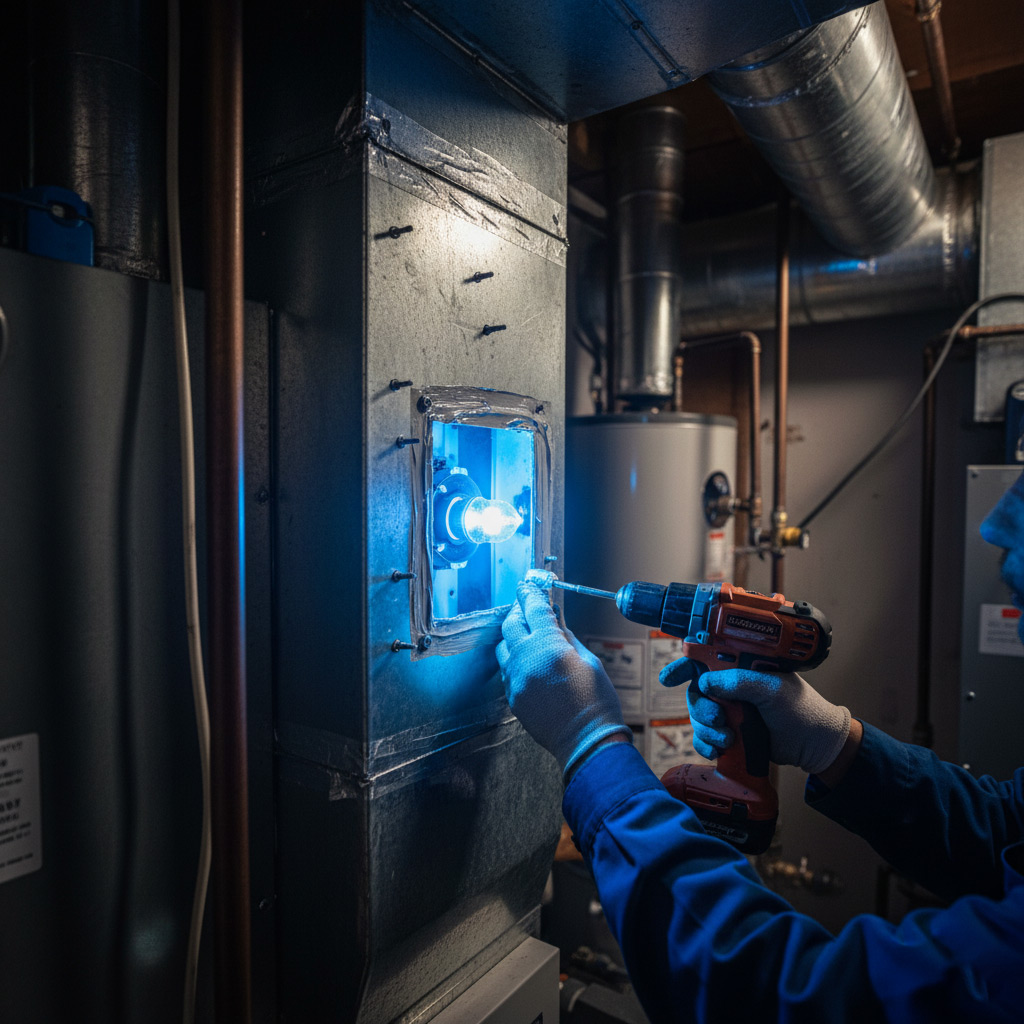
Every whiff of air that escapes is money flying out the window. Seal every joint with mastic or UL‑rated foil tape, not the cheap cloth‑type tape that falls apart in a month.
Start at the supply plenum, work outward, and give each connection a good squeeze. A quick visual check with a smoke pencil will reveal the hidden drafts.
- Apply mastic with a putty knife; smooth it for a tight bond.
- Wrap seams with foil tape—no gaps, no wrinkles.
- Inspect return ducts the same way; they’re often the forgotten half.
Smart Layout Tricks
Long runs and sharp bends are the enemy of efficient airflow. Keep the path as straight as possible and use gentle elbows instead of 90‑degree turns.
Place the main trunk in the attic or crawl space where it’s out of the way, then branch out like a tree—short, direct limbs to each room.
- Limit runs to under 25 feet whenever you can.
- Use insulated ducts in unconditioned spaces to stop heat gain.
- Balance the system with adjustable dampers at each branch.
Strategic Thermostat Placement and Programming for Peak Efficiency
Placement Basics
Put the thermostat where the temperature reflects the whole house, not a drafty corner. Center of the home on an interior wall, away from direct sunlight, doors, or appliances that pump out heat.
Ideal spots are:
- At eye level (about 5 ft high)
- At least 6 ft from windows or glass doors
- On a wall that isn’t shared with a garage or kitchen
When the sensor sees the real ambient temperature, the system can react correctly and stop over‑working.
Smart Programming
Don’t let the thermostat sit on “auto” forever. Set a schedule that mirrors your daily rhythm, and let the system rest when you’re out.
- Morning wake‑up: 68 °F for 30 minutes, then 72 °F
- Workday: 78 °F while you’re at the office
- Evening: Drop to 70 °F an hour before you get home
These tweaks shave off minutes of run‑time, which adds up on the bill.
Wi‑Fi Thermostats & Remote Sensors
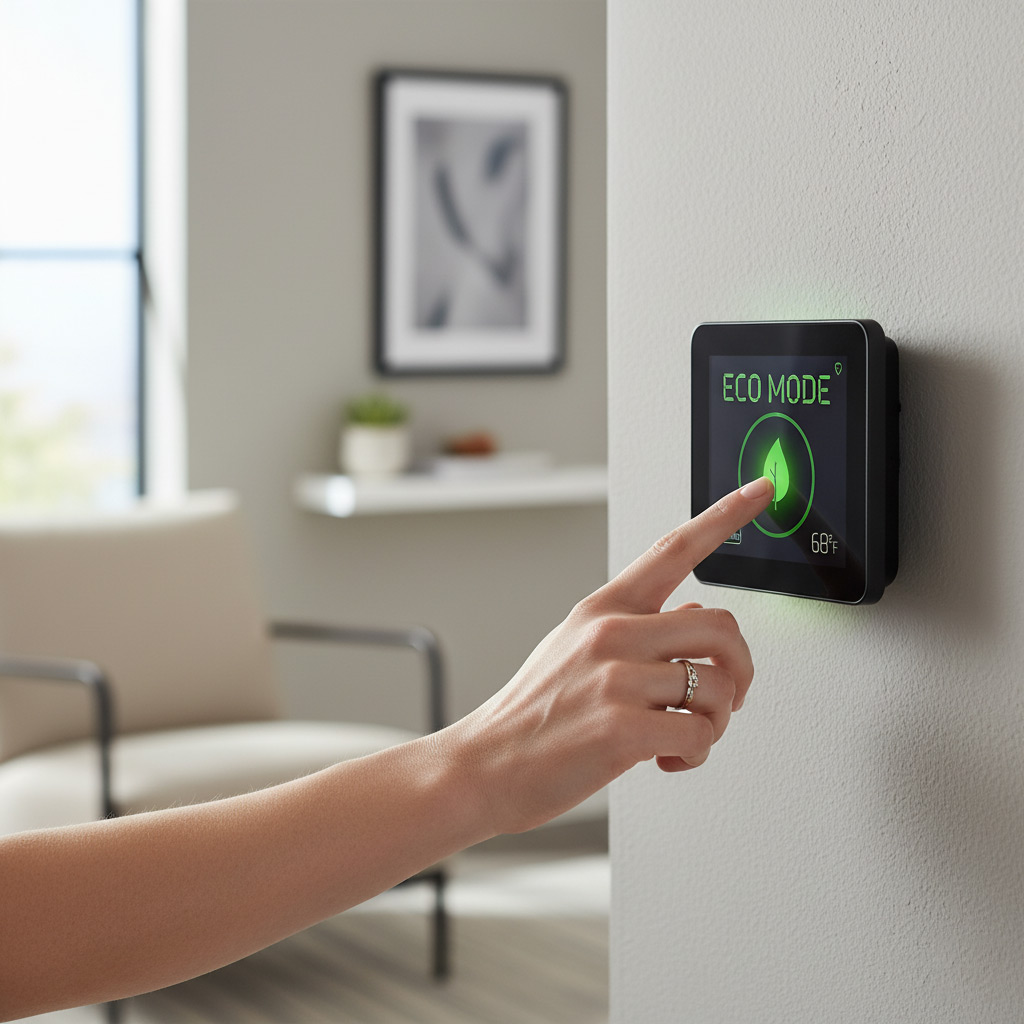
Modern thermostats let you control temperature from your phone. Use remote sensors in rooms that tend to get hotter, like the master bedroom, and let the main unit follow their readings.
Program “away” modes when you’re on a weekend trip, and the system will automatically revert to comfort mode when you’re back. Simple, no‑sweat automation that keeps the AC from running uselessly.
Leveraging Passive Cooling and Ventilation to Reduce Load
Let the Night Do the Work
Gilbert’s desert heat drops dramatically after sunset. Open your windows early and let the cooler night air sweep through the house. Close them before sunrise and you’ve saved the AC a solid chunk of its workload.
Smart Window Strategies
Positioning and shading are the unsung heroes of a low‑bill home. Use interior blinds or exterior awnings to block the high‑angle summer sun, but pull them back in winter to let the sun warm the rooms.
- Install low‑e glass to reflect heat while keeping daylight.
- Place operable windows on opposite walls for cross‑ventilation.
- Use reflective film on south‑facing panes for extra protection.
Whole‑House Fans and Attic Breathability
A well‑placed whole‑house fan can move 10,000 cfm of air in minutes, pulling hot air up and out. Pair it with ridge vents and soffit grills so the attic can “breathe” without a single watt of electricity.
Keep the attic insulation snug, then add a few ventilation louvers near the roof peak. The result? Hot air escapes, fresh air enters, and your HVAC system stays idle longer.
Case Study: Transforming a Gilbert Home’s Energy Use with Targeted Design Tweaks
Background
Meet the Martinez family, a typical Gilbert household with a 2,200‑sq‑ft ranch that was guzzling power like a desert furnace. Their summer bills regularly topped $300, and the house felt drafty despite a brand‑new furnace.
What We Changed
We tackled the problem with four precise moves that any homeowner can replicate.
- Smart zoning: installed motorized dampers to keep the master bedroom cool while the living room stayed warm.
- Seal‑and‑size ductwork: added foil tape and insulated the main trunk, then trimmed oversize runs by 15%.
- Thermostat relocation: moved the unit to a central hallway, away from direct sunlight, and programmed a 2‑degree setback at night.
- Passive cooling: added a shaded vent in the attic and a low‑e window film on the south side.
Results
Within three months the Martinez’s electric bill dropped to $165—a 45% cut. Comfort levels rose; the kids stopped complaining about hot rooms, and the furnace ran 30% fewer cycles.
All of this was achieved without buying a new HVAC system. The family now enjoys a quieter home and a healthier wallet, proof that a few design tweaks can rewrite the energy story in Gilbert.
Final Words
Don’t let your HVAC system become a silent money‑sucker. A quick audit—checking filters, confirming thermostat settings, and listening for whistling ducts—can reveal cheap fixes before the next bill hits.
Quick Action List
- Swap old filters for high‑MERV ones; replace every 30‑45 days.
- Program your thermostat for a 2‑degree setback at night.
- Seal any visible duct gaps with UL‑rated foil tape.
- Schedule a professionalleak detection run to catch hidden losses.
- Ask for a drain cleaning service to keep condensate lines clear.
When you pair these micro‑tweaks with a local HVAC pro who knows Gilbert’s desert swing, you’ll keep the house comfortable and the wallet happy—no fancy gadgets required.
People Also Ask
How does Gilbert’s desert climate affect HVAC system design?
The extreme heat in summer and mild winters require a system that can handle high cooling loads while maintaining efficiency during cooler months. Proper sizing, high SEER ratings, and robust insulation are essential to balance performance and energy use.What is smart zoning and how can it lower my energy bill?
Smart zoning divides the home into separate temperature zones, allowing you to cool bedrooms while heating living areas, or vice‑versa. By only conditioning occupied spaces, you reduce unnecessary load and cut utility costs.Why is ductwork sealing important for energy savings?
Leaky ducts can lose up to 30% of conditioned air, forcing the HVAC unit to work harder. Proper sealing and correct sizing ensure leak‑free airflow, improving efficiency and lowering bills.Where should I place my thermostat for optimal performance?
Install the thermostat away from direct sunlight, drafts, and heat‑producing appliances, ideally on an interior wall at eye level. This placement provides accurate temperature readings, enabling precise control and energy savings.Can passive cooling techniques really reduce HVAC load?
Yes, using natural ventilation, shading, and reflective roofing can lower indoor temperatures before the system kicks in. These strategies decrease the cooling demand, resulting in lower energy consumption.
Gilbert HVAC has served the Gilbert community for over 15 years, delivering reliable heating and cooling solutions. Their certified technicians combine local knowledge with industry expertise to ensure comfortable indoor environments year‑round. Committed to personalized service, they prioritize energy efficiency and customer satisfaction.
Need HVAC?
We deliver rapid, results‑driven solutions to homes and businesses in Gilbert, AZ (85233, 85234, 85295) and neighboring communities, ensuring you get the outcome you need, fast. Our focus on speed and measurable results keeps projects on track and on time.
Request a fast quote